



By Joan Obinagwam
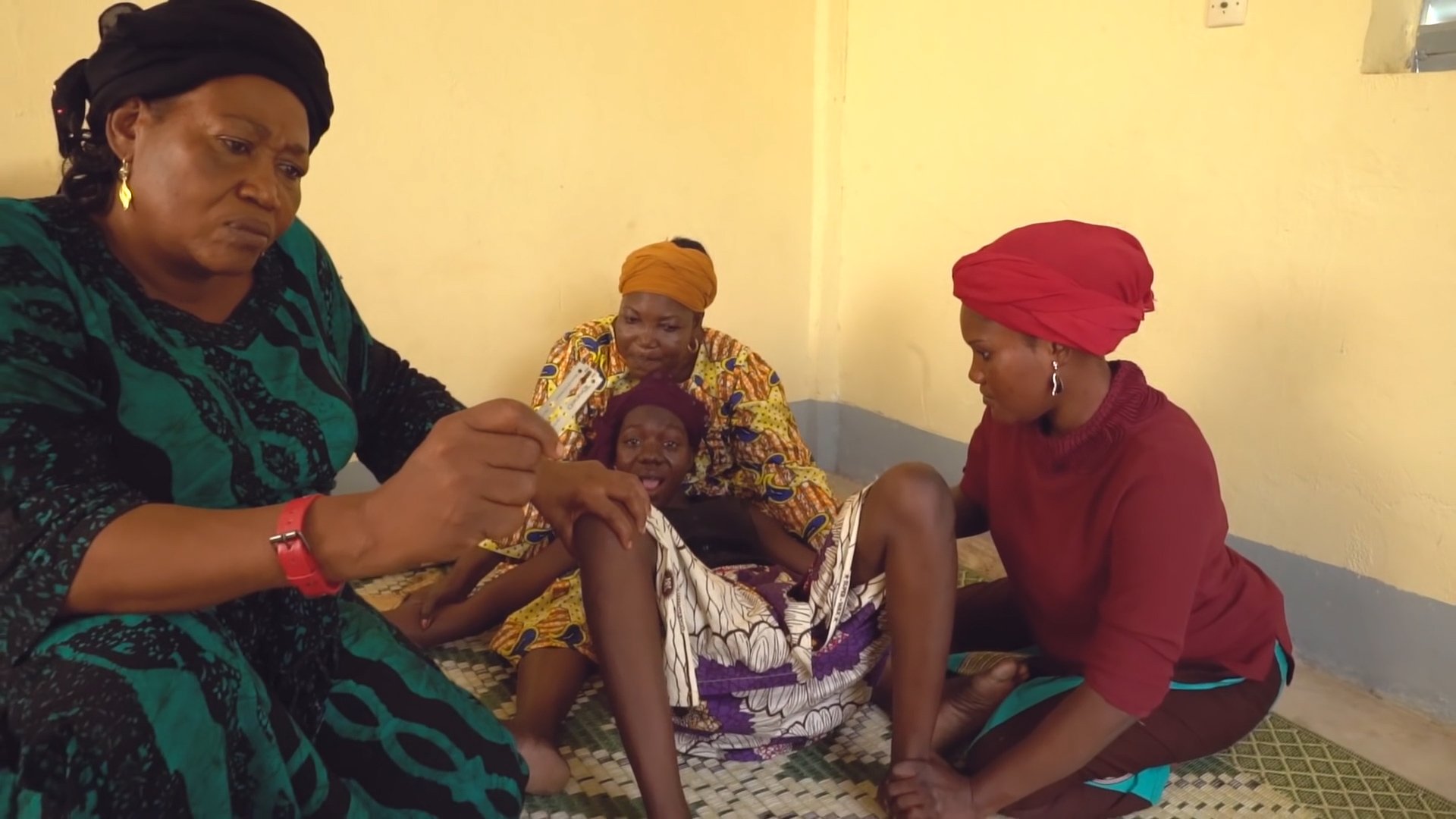
The United Nations Children’s Fund (UNICEF) defines female genital mutilation (FGM) is a harmful practice that involves the partial or total removal of the external female genitalia, or other injury to the female genital organs for non-medical reasons.
Confiance News gathered from a recent by the specialized agency of the United Nations (UN) responsible for public health- World Health Organization (WHO) report that FGM has no health benefits for girls and women, and it can cause serious physical, mental and sexual health problems throughout their lives.
According to the UN agency for international public health, some of the dangers of FGM are:
Severe pain, excessive bleeding, shock and infections during and after the procedure.
Urination problems, such as difficulty passing urine, urinary tract infections and kidney damage.
Menstrual problems, such as painful periods, irregular bleeding and infections.
Sexual problems, such as reduced sexual pleasure, pain during sex, dryness and difficulty in achieving orgasm.
Reproductive problems, such as infertility, increased risk of complications during pregnancy and childbirth, and higher chances of newborn death.
Psychological problems, such as anxiety, depression, post-traumatic stress disorder, low self-esteem and loss of trust in caregivers.
Death can result from infections, including tetanus, as well as haemorrhage that can lead to shock
“An estimated 200 million girls and women worldwide have undergone some form of female genital mutilation (FGM) – many before the age of 15,” UNICEF disclosed.
FGM is a violation of the human rights of girls and women, and it reflects deep-rooted inequality between the sexes. It is a form of discrimination and violence against girls and women that must be stopped. The WHO and other international organizations are working to end FGM by raising awareness, providing health care and support to survivors, promoting legal and policy changes, and engaging communities to abandon the practice.






Leave a comment