



By Chioma Obinagwam
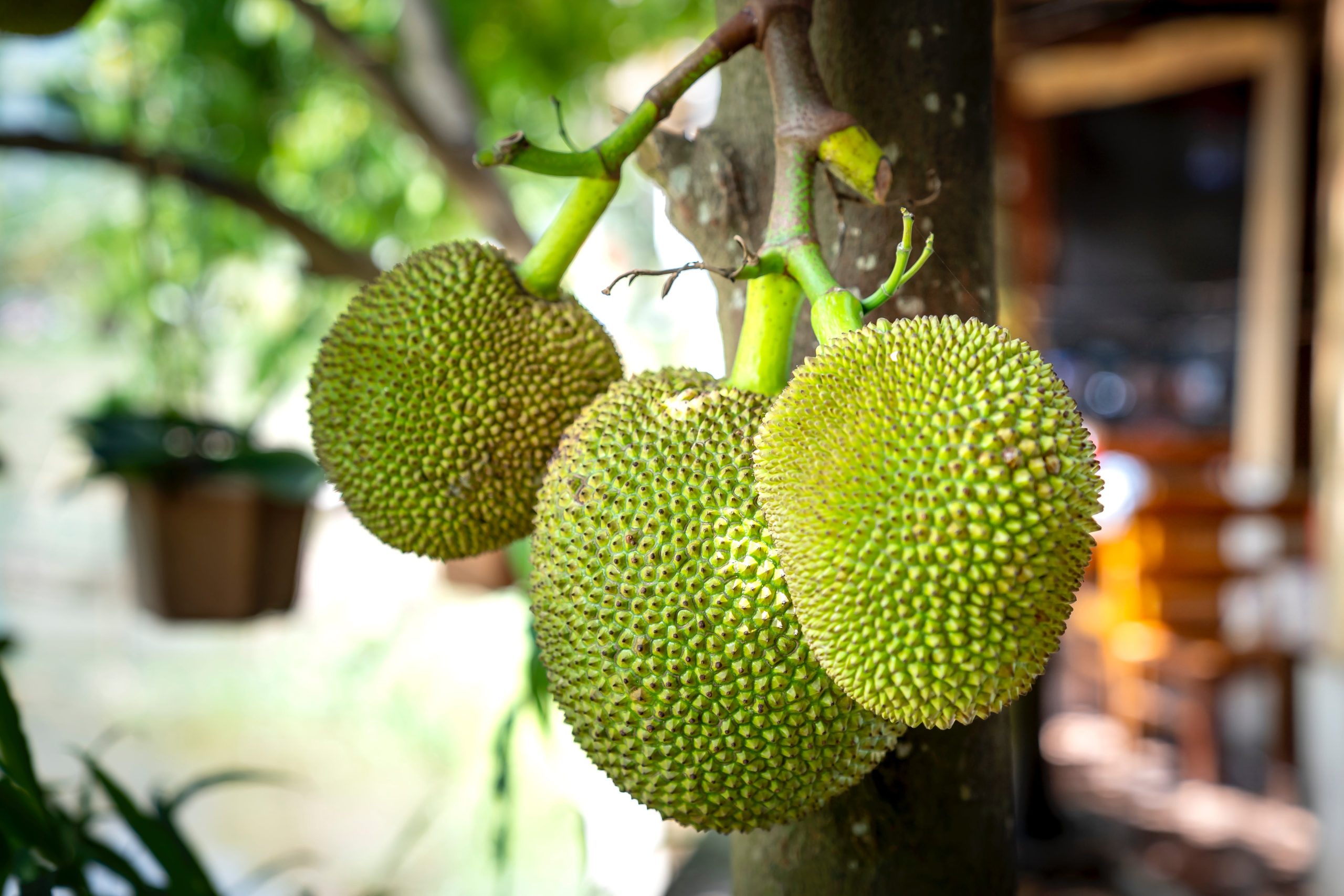
Breadfruit is a tropical fruit that grows on trees belonging to the same family as jackfruit and mulberry. Popularly known as ukwa, it is a staple food among the Ibos in the southeastern part of Nigeria. Wikipedia also records that people in Oceania, Southeast Asia, and the Caribbean have relished breadfruit for centuries. However, breadfruit is more than just a source of calories. It is also a climate-smart crop that can help address the interlinked challenges of food security, nutrition, and environmental sustainability.
What makes breadfruit a superfood?
A superfood is a food that has high nutritional value and health benefits. Breadfruit meets this definition in several ways because it is highly productive and nutritious. A single tree can produce up to 200 fruits per year, each weighing about 2 kg. Breadfruit is rich in carbohydrates, fiber, vitamin C, potassium, and other micronutrients. It can be eaten ripe as a fruit or unripe as a vegetable, and can be processed into flour, chips, or other products.
What makes breadfruit climate-smart?
Climate-smart agriculture (CSA) is an integrated approach to managing landscapes that aims to increase agricultural productivity, enhance resilience to climate change, and reduce greenhouse gas emissions. According to the Food and Agriculture Organization (FAO), breadfruit meets all these criteria.
Breadfruit is highly productive and nutritious. A single tree can produce up to 200 fruits per year, each weighing about 2 kg. Breadfruit is rich in carbohydrates, fiber, vitamin C, potassium, and other micronutrients. It can be eaten ripe as a fruit or unripe as a vegetable, and can be processed into flour, chips, or other products.
Breadfruit is resilient to climate change. Breadfruit trees can tolerate drought, salinity, and flooding. They can also withstand hurricanes and cyclones, as they have strong roots and flexible branches. Breadfruit trees can adapt to a wide range of soil and climatic conditions, from sea level to 1,500 meters above sea level.
Breadfruit is beneficial for the environment. Breadfruit trees sequester carbon and improve soil quality. They also provide shade, habitat, and food for other plants and animals. Breadfruit trees can be intercropped with other crops, such as coffee, cocoa, or bananas, to increase biodiversity and agroecosystem services.
How can breadfruit boost food security and sustainability?
Breadfruit has the potential to contribute to food security and sustainability in several ways since it can improve food availability and access. Breadfruit can be grown in areas where other crops may fail due to climate change or poor soils. It can also be stored for long periods without refrigeration or processing. Breadfruit can help diversify diets and income sources for smallholder farmers and rural communities.
Breadfruit can enhance food utilization and stability. Breadfruit can provide a balanced and healthy diet for people of all ages and stages of life. It can prevent micronutrient deficiencies and chronic diseases associated with poor nutrition. Breadfruit can also reduce food losses and waste, as it can be used in various ways and has a long shelf life.
Breadfruit can support sustainable food systems. Breadfruit can reduce the environmental impact of agriculture by lowering greenhouse gas emissions, water use, fertilizer use, and land use. It can also promote social equity and cultural diversity by respecting the rights and traditions of indigenous peoples and local communities who have cultivated breadfruit for generations.
Breadfruit is a climate-smart crop that can boost food security and sustainability in a changing world. It offers multiple benefits for people and the planet. By investing in research, development, promotion, and consumption of breadfruit, we can harness its potential to achieve the Sustainable Development Goals (SDGs) and end hunger by 2030.










Leave a comment