


By Chioma Obinagwam
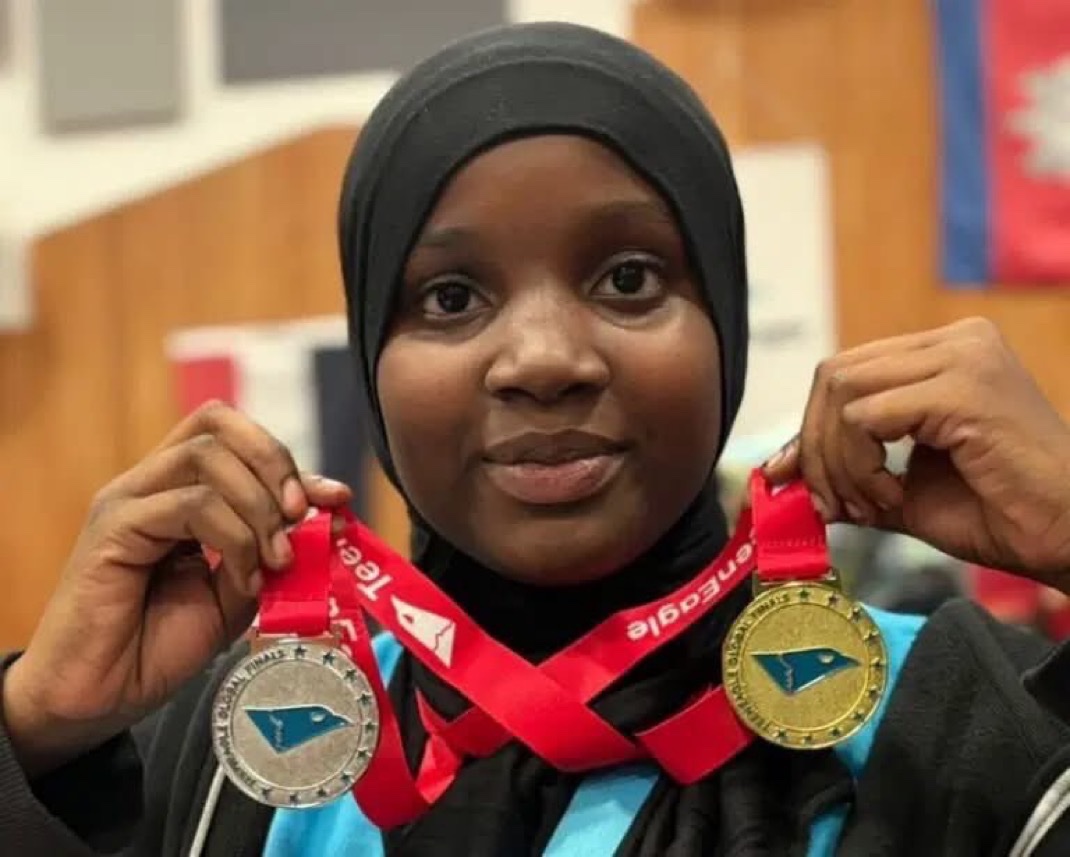
Seventeen-year-old Nafisah Abdullahi from Yobe State made history by winning the 2025 TeenEagle Global Finals in London, defeating over 20,000 participants from 69 countries to claim the title of World Best in English. Alongside teammates Rukayya Muhammad Fema and Hadiza Kashim Kalli, her achievement brought global recognition to Nigeria’s intellectual talent.
Similarly, Confiance News gathered that Mmesoma Okonkwo, another Nigerian student, gained international acclaim in 2023 emerging as the overall best in English as a Second Language in the 2022 Cambridge IGCSE exams. These victories highlight the potential of Nigeria’s youth in academics, yet they have sparked criticism over the government’s apparent preference for sports and entertainment over education.
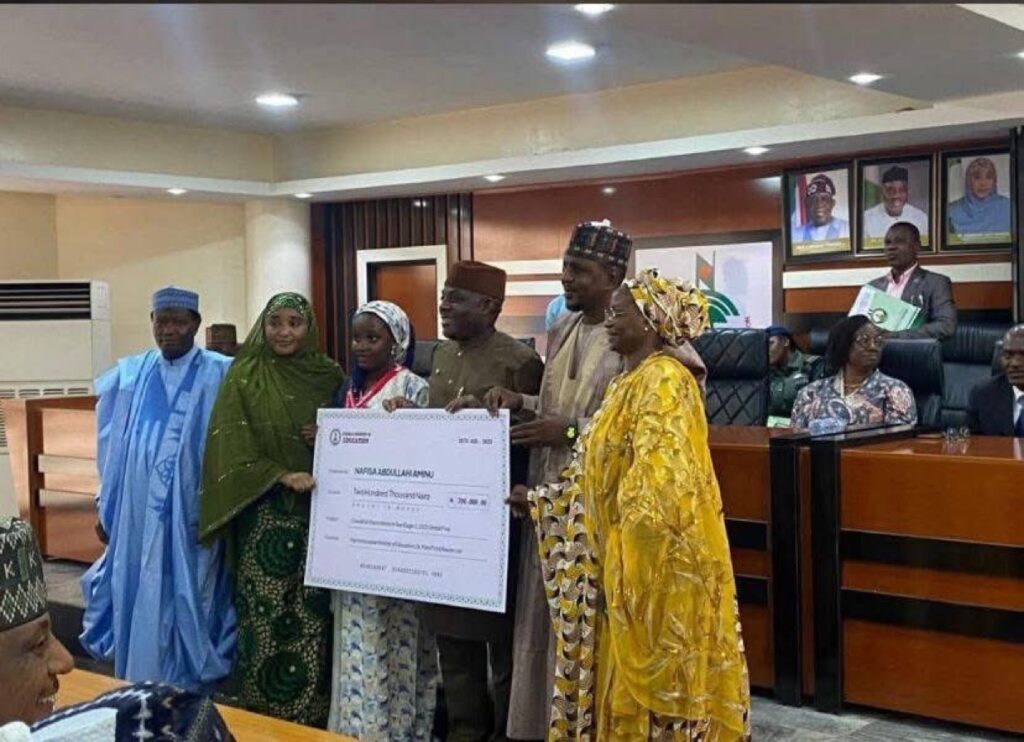
On August 28, 2025, the Federal Government, through Education Minister Dr. Tunji Alausa, awarded Nafisah a cash prize of N200,000 (approximately $120 USD) in Abuja. This modest gesture paled in comparison to the lavish rewards bestowed upon athletes, such as the Super Falcons, who each received $100,000, national honors, and housing grants for their 2024 Women’s Africa Cup victory. Similarly, Mmesoma’s global achievement received minimal official recognition, with no significant financial or institutional support. Critics argue this disparity reflects a national bias toward sports and entertainment, sidelining academic excellence.
Reacting, an X user, Abdul-Aziz Na’ibi Abubakar argues, “Bola Tinubu’s administration gifted the Super Falcons N150 million, yet offered a mere N200,000 to Nafisah Abdullahi, winner of the TeenEagle global finals, exposing a glaring inconsistency in priorities.
”While Atiku Abubakar provided Nafisah a fully funded scholarship to any institution worldwide, Tinubu’s paltry award suggests a lack of regard for educational excellence. This disparity underscores a troubling mindset: lavish rewards for sports, but minimal support for academic achievement.
”Tinubu’s failure to offer even N1 million to a young scholar like Nafisah, despite his government’s capacity for embezzlement, betrays a clear undervaluation of education and intellectual potential.
Corroborating, Tam Gunuboh said, “What do you all expect? A mediocre and incompetent leadership wouldn’t understand the commitment, discipline, and the personal sacrifice it took that girl to have won that TeenEagle Global Finals English Competition.
”The whole federal government is awarding this intellectual protégé just a token amount of 200k Naira, an amount they would never even give to their children for feeding for two weeks. A nation that refuses to honor and value talents is bound to be stagnated for decades, because talent drives innovations and innovation drives development.”
The government’s lukewarm response to these academic triumphs has fueled public discontent. Many Nigerians, including educators and social commentators, have called for substantial rewards like scholarships or national honors to incentivize intellectual achievement.
Confiance News reports that the criticism underscores a broader issue: Nigeria’s budget allocates significantly more to sports infrastructure than to educational programs, despite the latter’s potential to drive long-term national development. Nafisah and Mmesoma’s successes highlight Nigeria’s intellectual capital, but the government’s failure to prioritize education risks stifling future innovation and progress.








Leave a comment