



By Chioma Obinagwam
More than 30 Nigerian civil society organisations are warning that the push for state policing could deepen insecurity rather than resolve it if strong governance safeguards are not built into any reform framework from the start.
Confiance News gathered from a statement by Budgit on Tuesday.
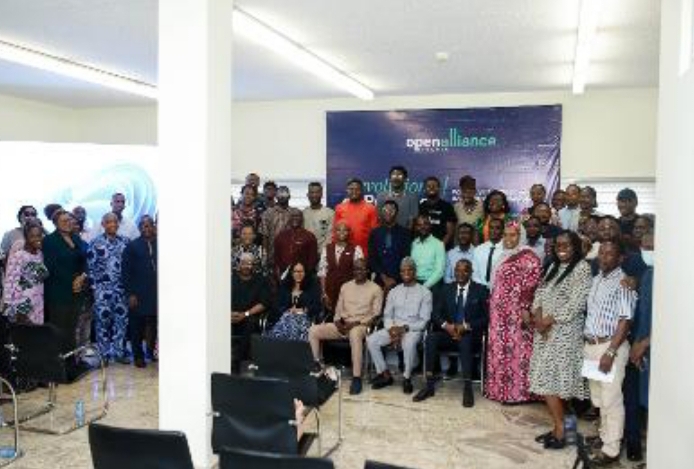
The Open Alliance, a coalition of civil society organisations, issued the call following a stakeholder dialogue held in Abuja on May 13, 2026. The forum, themed “Devolution of Policing in Nigeria: Pathways to Effective and Accountable State Policing,” convened civil society representatives, legal practitioners, security experts, governance institutions, development partners, media professionals, and policy actors to interrogate the opportunities and risks of devolving police powers to state governments.
The dialogue comes against the backdrop of worsening national insecurity, declining public confidence in law enforcement, and intensifying debates over reforming Nigeria’s security architecture. Participants acknowledged state policing as a recurring proposal in those conversations but flagged unresolved questions around funding, institutional capacity, and political independence as critical obstacles.
Confiance News reports that stakeholders stressed that structural reforms alone cannot guarantee safer communities. The effectiveness of any policing model, participants noted, depends on the quality of oversight institutions, constitutional safeguards, and mechanisms that protect citizens’ rights regardless of which government is in power.
Fiscal concerns featured prominently in the discussions. Significant disparities in the financial and administrative capacity of states were highlighted, with participants raising questions about whether some state governments can sustainably fund police operations, uphold professional standards, and maintain operational independence from political interference.
The dialogue, Confiance News gathered also explored alternatives to outright devolution, including phased rollouts, regional policing collaborations, and hybrid models that would allow states to pool resources and coordinate responses while remaining accountable to national standards.
On the issue of uniformity, participants were clear: any decentralised policing arrangement must uphold consistent national benchmarks on human rights compliance, professional conduct, and constitutional protections. Broad public consultation and community engagement were also identified as non-negotiable steps before any model is adopted.
The Open Alliance called on policymakers to ground ongoing constitutional amendment processes in evidence and inclusive dialogue, ensuring that whatever policing model emerges is effective, rights-respecting, and genuinely responsive to the security realities of communities across Nigeria.








Leave a comment