


By Chioma Obinagwam
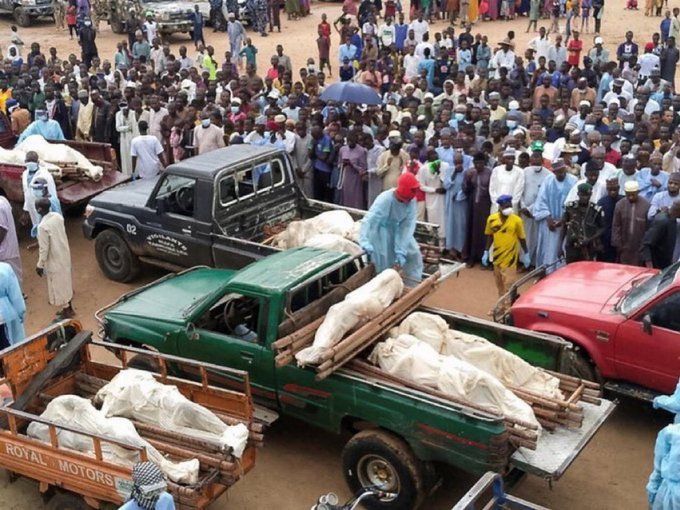
The International Society for Civil Liberties and Rule of Law (Intersociety) has released a chilling report detailing the slaughter of over 7,000 Christians in Nigeria during the first 220 days of 2025—an average of 32 deaths per day. Since the Boko Haram insurgency began in 2009, an estimated 125,000 Christians have been killed, 19,100 churches destroyed, and 12 million displaced. This relentless violence, primarily attributed to jihadist groups like Boko Haram, Islamic State West Africa Province (ISWAP), and radicalized Fulani militias, has made Nigeria the epicenter of Christian persecution, with more Christians killed for their faith here than anywhere else, according to Open Doors. Yet, the global response—particularly from mainstream media, world leaders, and the United Nations—remains eerily silent, prompting condemnation from Christians, activists, and X users like Bill Maher.
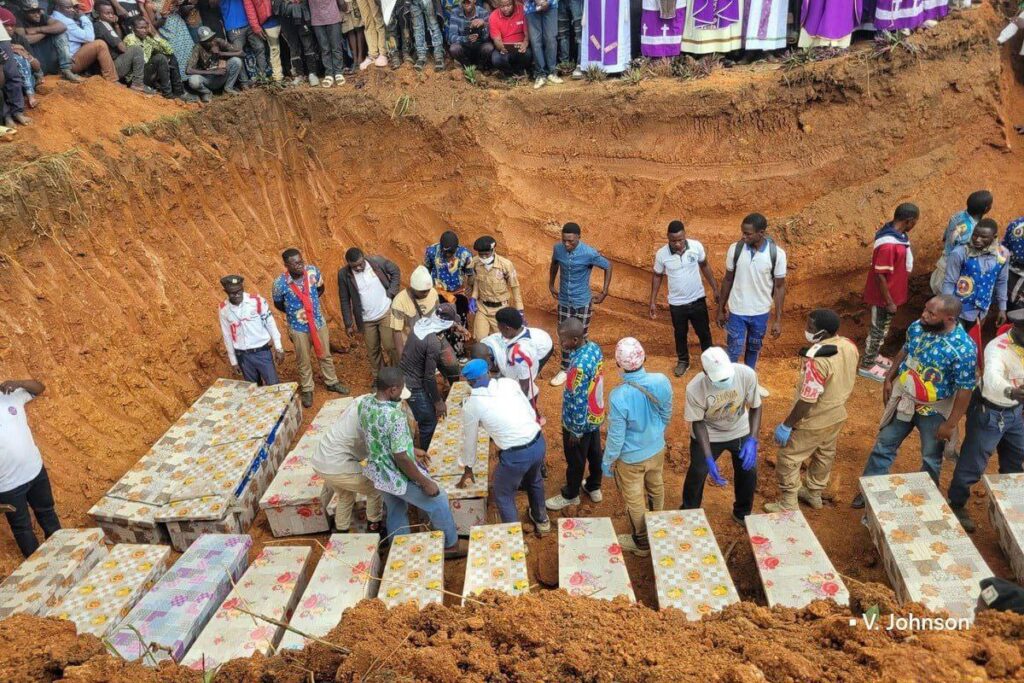
Confiance News reports that the scale of the crisis is staggering. Benue State in Nigeria’s Middle Belt has been among the hardest hit, with 1,100 deaths in 2025 alone, including the Yelewata massacre in June, where 280 Christians were killed. Intersociety reports that 7,800 Christians were abducted in the same period, with 600 clerics, including 250 Catholic priests, kidnapped since 2009. Emeka Umeagbalasi, Intersociety’s chair, warns that 22 jihadist groups operate with impunity, some allegedly under state protection, aiming to “obliterate” Christianity in Nigeria within 50 years. This targeted persecution has led many to describe the situation as a “silenced genocide,” a term echoed by outlets like Voz Media.
Why the Silence?
The lack of global attention has sparked outrage, particularly on platforms like X, where users amplify the issue. @BrotherRasheed captures this frustration: “Christians in Nigeria never carried out massacres, never dug tunnels, never fired rockets, never took hostages, never started a war. They are simply a peaceful community, half of Nigeria’s population, who only wanted to live in peace. Yet they are relentlessly attacked by Islamic groups… And what is the response of the world? Silence.” He further questions the inaction of leaders like Emmanuel Macron (@EmmanuelMacron) and Keir Starmer (@Keir_Starmer), asking, “Why no global outrage, no media coverage, no flotilla sailing for the persecuted Christians of Nigeria?” This sentiment reflects a broader perception that the international community prioritizes other conflicts while ignoring Nigeria’s crisis.
Confiance News notes that Comedian Bill Maher has also been referenced in this discourse, with critics like @ShehuSani challenging his alleged claim of a “slaughter of Christians by Muslims” as overly simplistic. Sani argues, “Bandits and terrorists in Nigeria don’t discriminate between Muslims and Christians in their evil and murderous acts… Most of their victims are actually Muslims, going by the states they mostly operate.” While Sani emphasizes that terrorists target both faiths, Intersociety’s data highlights a disproportionate impact on Christians, with 125,000 Christian deaths compared to 60,000 Muslim deaths since 2009. This discrepancy fuels the narrative of selective persecution, which activists argue is downplayed
Nigerian government reacts The Nigerian government has pushed back against these claims, with the Minister of Information issuing a press release titled “FG Refutes False Claims of Religious Genocide in Nigeria,” stating, “Such claims are false, baseless, despicable, and divisive.” The government insists that violence stems from farmer-herder clashes, not religious genocide. However, human rights advocates like Umeagbalasi counter that the state’s failure to protect Christians, coupled with alleged complicity, exacerbates the crisis.
X user @RobSchneider amplifies the media’s role in this silence: “The massacre of Christians in Nigeria is ignored by main stream media and you won’t hear a peep about it on college campuses…” Similarly, @thisibi starkly declares, “To be a Christian in Northern Nigeria is a death sentence.” These posts reflect a growing sentiment that the media prioritizes other global issues, leaving Nigerian Christians’ plight unreported. The absence of university protests or international fundraisers, as noted by @BrotherRasheed, contrasts sharply with the visibility of other human rights causes, raising questions about selective advocacy.
Reasons for global inaction
Several factors contribute to this silence. Geopolitical interests, such as Nigeria’s role as a major oil producer and strategic partner, may deter Western leaders from critiquing its government. The complexity of Nigeria’s violence—intertwined with ethnic, economic, and land disputes—allows some to downplay its religious dimension, as seen in the government’s narrative. Additionally, the global human rights community may avoid the issue to prevent escalating religious tensions or appearing Islamophobic. The UN, often criticized for bureaucratic inertia, has failed to prioritize Nigeria’s crisis, with no significant resolutions or aid initiatives addressing the persecution.
This selective attention is particularly galling when compared to other conflicts. @BrotherRasheed notes, “World leaders in Europe stand with those who massacre, with those who hold hostages—they rush to recognize a state for them. But when it comes to Nigerian Christians? Not a word.” This perceived double standard—where other causes garner protests, media campaigns, and UN debates—fuels accusations of hypocrisy.
The human cost
The human toll is devastating. Father Dominic Asor, rector of St. James Minor Seminary, told Newsweek, “We must not flee from our vocation because of trials, insecurity or the lure of worldly comfort.” Yet, for many, survival is a daily struggle. The Yelewata massacre targeted displaced families, including children, highlighting the vulnerability of Christian communities. The destruction of 19,100 churches—100 per month—underscores the systematic nature of the attacks. Jeff King of International Christian Concern calls this “a human rights crisis affecting millions,” yet the world remains largely indifferent
Recommendations for action
To address this crisis, a multi-faceted approach is essential:
International Pressure and Advocacy: The UN and world leaders must issue public condemnations and investigate Nigeria’s security failures. Placing Nigeria on watchlists for religious persecution, as suggested by Intersociety, could trigger diplomatic or sanctions responses. Leaders like Macron and Starmer should leverage their platforms to demand accountability.
Media Amplification: Mainstream media must prioritize reporting on Nigeria’s crisis, collaborating with NGOs like Open Doors to share survivor stories. X can amplify these efforts through hashtags like #JusticeForNigerianChristians, building on past campaigns like #BringBackOurGirls.
Humanitarian Aid: Governments and NGOs should fund safe havens and relief programs for displaced Christians, particularly in Benue and Plateau states. The Pontifical Foundation Aid to the Church in Need, which reported 200 deaths in Yelewata, could lead such efforts.
Grassroots Mobilization: Activists should organize global protests and social media campaigns to mirror the visibility of other human rights movements. University campuses, silent on this issue, could host awareness events, as @RobSchneider suggests.
Interfaith Dialogue: Engaging moderate Muslim leaders, as @ShehuSani advocates, could foster unity and counter jihadist narratives. Joint Christian-Muslim initiatives could challenge the government’s inaction and reduce sectarian framing.
Legal Accountability: The International Criminal Court (ICC) should investigate allegations of state complicity, as Intersociety claims jihadist groups operate with impunity. This could deter further violence and ensure justice for victims.
Confiance News reports that the slaughter of over 7,000 Christians in Nigeria in 2025 is a human rights catastrophe that demands global attention. The silence of media, world leaders, and the UN, condemned by X users like @BrotherRasheed, @RobSchneider, and @thisibi, reflects a troubling double standard in human rights advocacy. While the Nigerian government and voices like @ShehuSani argue the violence is not solely religious, the disproportionate targeting of Christians cannot be ignored. By amplifying voices, mobilizing resources, and demanding accountability, the international community can break this silence and protect Nigeria’s embattled Christians. Silence is complicity—action is imperative.






Leave a comment