



By Chioma Obinagwam
What started as a routine legislative update has escalated into a full-blown political scandal surrounding the 2025 Tax Reform Acts, now dubbed ‘Gazette-Gate’ by critics.
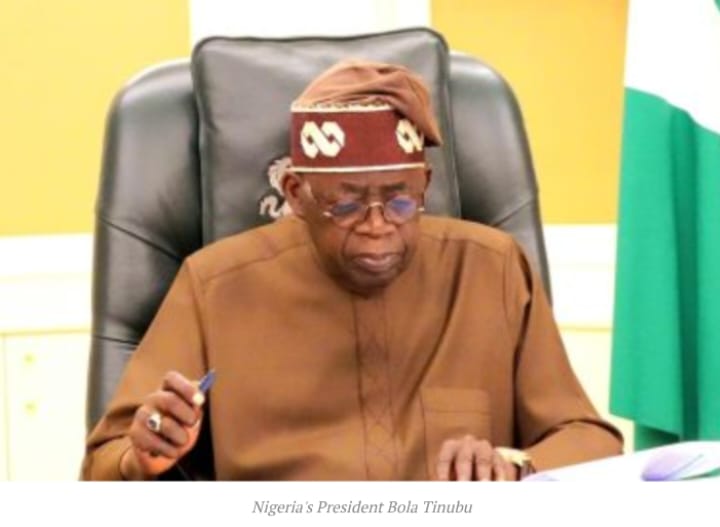
Confiance News gathered that allegations of forgery and unauthorized alterations to the gazetted laws—passed by the National Assembly and assented to by President Bola Tinubu—have ignited fierce debates, calls for impeachment, and demands for suspension. With implementation looming on January 1, 2026, this controversy not only questions the integrity of the legislative process but also threatens to derail Nigeria’s economic recovery. As voices on X amplify the outrage, could this be the tipping point for Tinubu’s presidency?
Forgery Allegations: Constitutional Crisis?
The storm began when discrepancies surfaced between the harmonized bills passed by the National Assembly on June 11, 2025, assented to by President Tinubu on June 26, 2025, and the gazetted versions. Critics claim substantive changes, including a 20% deposit for appeals and expanded enforcement powers, were illicitly inserted post-assent, constituting forgery. The National Assembly responded by directing its Clerk to re-gazette the original versions and issue certified true copies, admitting to “unapproved alterations.”
On X, Confiance News reports, the discourse has been explosive. Salihu Tanko Yakasai, aka Peacock (@dawisu), launched a viral thread: “GAZETTE-GATE!!!! The decision by the National Assembly to re-gazette the tax law should worry Nigerians more than it reassures them. Rather than resolving the controversy, it deepens the constitutional and legal confusion surrounding the law.” Yakasai, who was the Kano State gubernatorial candidate for People’s Redemption Party (PRP) in 2023, argued that re-gazetting can’t rewrite substantive provisions without a full amendment process, highlighting three conflicting versions: from the Ministry of Information, the Fiscal Reforms website, and the proposed re-gazette. “This creates serious legal uncertainty… The only responsible course of action is to immediately suspend the operation and enforcement of the tax law until these discrepancies are fully resolved.”
Ilemona (@I_Am_Ilemona) echoed the sentiment: “So after all the noise, the insults and the lies, it is now established that there was a forged version of the Tax Laws. And rather than remedy the situation legally, the APC led National Assembly is resorting for further illegality. For the avoidance of doubt, you cannot re-gazzette already gazetted legislation. You can only repeal it or have it invalidated by a court of competent jurisdiction. Furthermore, forging and altering gazetted is an egregious crime for whom the culprits have to be identified, arrested and prosecuted. But APC is a cancer.”
Taiwo Oyedele, Chairman of the Presidential Fiscal Policy and Tax Reforms Committee, has been central to the defense, insisting the reforms are intact and denying forgery. But @dawisu challenged him directly: “Dear @taiwoyedele, Merry Christmas to you and your family. In this video you posted, you stated ON RECORD that the gazetted copy does not contain the requirement of a 20% deposit before an appeal can be heard. You are correct with respect to the version uploaded on the Fiscal Reforms website. However, that same provision appears in the gazetted copy published by the Ministry of Information… Any post-assent alteration of a law is a criminal offense.”
Everest (@Novieverest) piled on: “The people who defended the forgery of the tax law have now all gone offline. I hope Taiwo Oyedele has seen the news from the NASS, What does he have to say to Nigeria? Where are the necessary arrests?”
Defenders push back. Candid Truth (@thoughtsfromUSA) argued: “This controversy surrounding the tax law and gazette can easily be settled with the application of common sense… A gazette on its own is not the law, it is merely an information portal… The alterations can be corrected accordingly, and the culprits identified and punished for gross misconduct. Moving forward, the mere act of alterations in a gazette does not in itself affect the legal essence of the bill. So, any suggestion for a halt, or suspension of the law is totally unnecessary and nonsensical.”
Kayode Okunola (@TaxDoctorNG) warned @dawisu: “Dear @dawisu be careful so you do not work yourself into prison. I can confirm that 90% of the things you are saying are completely off. Many people have seen more documents on this issue than you. Mr Kamoru Ogunlade Esq, the clerk of NASS signed the harmonized copy on the 11th of June 2025. The president signed on the 26th.”
Impeachment Risk for Tinubu?
The scandal has fueled impeachment calls. The People’s Redemption Party (PRP) labeled it “executive dishonesty” and urged Tinubu’s removal if implicated. Former Vice President Atiku Abubakar called it “criminal falsification” and an “act of treason.” On X, @Ephoms_Dave (@inevitable DEM) asked: “Isn’t this an impeachable offence?” Dr. N Aminu (@AminuEcon) demanded: “The investigation must happen. 🧐 Whatever the case, we must know who granted permission to alter the laws and must establish that Tinubu assented, knowing it was forged.”
Legal experts note that proven forgery could qualify as gross misconduct under Section 143 of the Constitution, grounds for impeachment. However, with APC’s majority in the Assembly, political will remains questionable.
Suspension Possible?
Figures like Senator Ali Ndume have urged Tinubu to suspend implementation amid probes. The African Democratic Congress (ADC) demands immediate suspension, citing forgery and calling for prosecution. Critics warn that enforcing a disputed law invites injunctions and chaos. Oyedele insists no suspension is needed, but uncertainty persists.
Punishable Offence?
Post-assent alterations are deemed forgery under Nigerian law, punishable by up to 14 years imprisonment or life in severe cases.
This is derived primarily from the Criminal Code Act (Chapter C38, Laws of the Federation of Nigeria 2004), which applies in southern Nigeria and to federal offenses like those involving national legislation (e.g., gazetted tax laws). Forgery of official or public documents, such as post-assent alterations to gazetted laws, falls under this framework as it involves making or altering false documents with intent to deceive or defraud, potentially prejudicing public interest or revenue matters.
Section 467(2) (Forgery of Certain Documents with Intent to Defraud or Deceive): Includes documents of title, registers (e.g., births, marriages, deaths, burials), revenue-related documents, public expenditure records, judicial administration documents, or public interest matters. Punishment: Imprisonment for 14 years. This is particularly relevant to gazetted laws, as they are official public records tied to revenue and governance.
Calls for arrests abound, with (@Novieverest) demanding action. If proven, culprits—from officials to potential executive involvement—face prosecution for breaching legislative integrity.
Economic Fallout
Designed to boost revenue and modernize taxation, the reforms now face backlash amid forgery claims. Multiple versions create confusion for taxpayers, stalling collections and sparking litigation. Higher penalties and appeal barriers could burden SMEs, fueling inflation and unemployment in an already strained economy. Delays in fiscal federalism may widen deficits, erode investor confidence, and hinder growth.
Way Forward
To restore trust, an independent probe is essential. Journalist Oseni Rufai (@ruffydfire) outlined a balanced path: “1, I don’t subscribe to the Narrative that the President forged the tax bill. 2. We need accountability on what happened and where it all happened. 3. We need to know what happened from the NASS to the Ministry of Justice to the President’s desk. 4. The regazetting by the NASS raises more questions. 5. I believe we should set up an independent panel of inquiry to investigate and not the NASS. 6. Website trails like fiscalreforms and all data points around the bill should be subjected to forensic evaluations. 7. All conversations between the NASS and executive should be indexed for investigation and forensic meta data taken. 8. All of these must be executed within the first quarter next year to drive accountability!”
Echoing this, the House’s ad-hoc committee must conclude its investigation swiftly, with culprits prosecuted. Only through transparency can Nigeria salvage these reforms and avert deeper crisis.
As Gazette-Gate unfolds, Nigeria stands at a crossroads. Will accountability prevail, or will political expediency deepen the divide? The nation’s eyes are on Abuja.

Nigeria’s 2025 tax laws scandal: Forgery claims, impeachment calls, economic fallout
Share



Sky Aviation Handling Company’s revenue leaps by 54% in 2025
By Chioma ObinagwamSkyway Aviation Handling Company Plc delivered a robust financial performance for the year ended December 31, 2025, with profit after tax...

How FG, Access Bank are closing Nigeria’s gender finance gap
By Chioma Obinagwam Across Nigeria, women build businesses, drive culture, and sustain families. Yet, a persistent financing gap keeps too many of their...
Related Articles
Sky Aviation Handling Company’s revenue leaps by 54% in 2025
By Chioma ObinagwamSkyway Aviation Handling Company Plc delivered a robust financial performance...
How FG, Access Bank are closing Nigeria’s gender finance gap
By Chioma Obinagwam Across Nigeria, women build businesses, drive culture, and sustain...
Why NCC Directed Telecom Operators to Compensate Subscribers for Poor Network Service
By Chioma ObinagwamThe Nigerian Communications Commission (NCC) has directed Mobile Network Operators...



How DataPro’s free AI training is upskilling financial journalists
By Chioma Obinagwam Africa’s fastest-growing credit rating agency, DataPro, is offering journalists,...

Leave a comment