


By Chioma Obinagwam
Seplat Energy Plc is reinforcing its commitment to responsible, efficient, and sustainable operations in Nigeria’s oil and gas sector, emphasizing that hydrocarbons will remain vital to the country’s energy mix for years to come.
The company told Confiance News in a statement on Sunday.
It stated that the key lies in how operators address environmental, social, and economic responsibilities through concrete actions like emission reductions, technology deployment, and nature-based offsets.
Representing CEO Roger Brown, Director of Gas & New Energy Okechukwu Mba delivered this message at the Nigerian Exchange Group (NGX)’s high-level climate roundtable in Lagos. The event, partnered with Germany’s DEG development finance institution and Africa Foresight Group, launched the NGX Net-Zero Programme (N-Zero). This initiative helps listed companies develop credible net-zero pathways, enhance climate disclosures, and meet global investor standards—potentially unlocking $2.5–3.1 billion in climate-linked capital for Nigerian firms.
Mba stressed: “The debate isn’t whether oil and gas should exist—it’s how operators manage their responsibilities responsibly.” He highlighted Seplat’s proactive steps, including a multi-year program to eliminate routine gas flaring across onshore operations. All required projects were completed by the end of 2025 and are now in commissioning, positioning the company to soon declare an end to routine flaring onshore—a major environmental stewardship milestone that supports national energy delivery.
Confiance News learnt that Seplat employs advanced technology for real-time emissions monitoring across pipelines, valves, plants, and infrastructure, backed by a strong asset integrity program to prevent and eliminate leaks. For residual emissions, the company pursues nature-based solutions, including an afforestation program in an Edo State host community. This initiative commits to planting millions of trees over five years, with the first phase already complete, enhancing carbon sequestration and community benefits.
Beyond direct operations, Seplat invests in gas and LPG infrastructure to cut broader emissions. Redirecting LPG from offshore acquisitions to the domestic market has boosted availability, affordability, and quality—reducing reliance on high-emission biomass fuels like firewood and charcoal in rural areas.
Mba also called for increased financing to accelerate Nigeria’s energy transition, particularly in gas-to-power projects. With only about 5 GW from the national grid and much self-generation via polluting petrol/diesel generators, switching to efficient gas-powered solutions could deliver major decarbonization gains—but these require adequate funding.
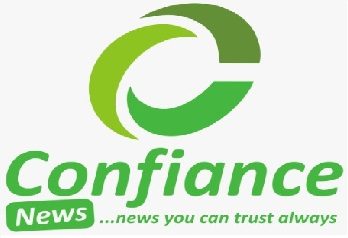
The NGX Net-Zero launch featured insights from NGX Group Chairman Dr. Umaru Kwairanga, who positioned Africa’s capital markets as leaders in climate action and sustainable growth. Group Managing Director Temi Popoola highlighted climate risk’s role in global valuation and capital allocation, while DEG’s Monika Beck noted the partnership’s alignment with mobilizing private capital for measurable climate and development impact.
Through these efforts, Seplat Energy demonstrates leadership in balancing energy security with sustainability, supporting Nigeria’s path to a lower-carbon future while driving economic value.
Seplat Energy ends routine gas flaring, leads Nigeria’s net-zero drive
Share




Sky Aviation Handling Company’s revenue leaps by 54% in 2025
By Chioma ObinagwamSkyway Aviation Handling Company Plc delivered a robust financial performance for the year ended December 31, 2025, with profit after tax...

How FG, Access Bank are closing Nigeria’s gender finance gap
By Chioma Obinagwam Across Nigeria, women build businesses, drive culture, and sustain families. Yet, a persistent financing gap keeps too many of their...
Related Articles
Sky Aviation Handling Company’s revenue leaps by 54% in 2025
By Chioma ObinagwamSkyway Aviation Handling Company Plc delivered a robust financial performance...
How FG, Access Bank are closing Nigeria’s gender finance gap
By Chioma Obinagwam Across Nigeria, women build businesses, drive culture, and sustain...
Why NCC Directed Telecom Operators to Compensate Subscribers for Poor Network Service
By Chioma ObinagwamThe Nigerian Communications Commission (NCC) has directed Mobile Network Operators...



How DataPro’s free AI training is upskilling financial journalists
By Chioma Obinagwam Africa’s fastest-growing credit rating agency, DataPro, is offering journalists,...

Leave a comment