


By Chioma Obinagwam
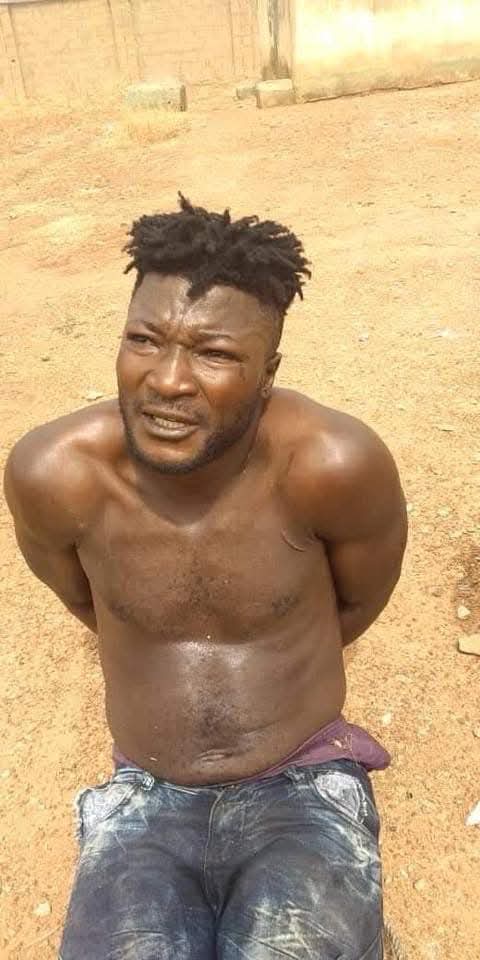
A Kaduna High Court in Nigeria has sentenced Victor Solomon, widely known by his alias Zidane, to death by hanging—a verdict that has sparked widespread international condemnation and intense public outcry. Accused of murder while defending his Christian community against deadly Fulani Islamist attacks, Confiance News gathered, Zidane’s case exposes deep cracks in Nigeria’s justice system. As #FreeZidane trends across social media, calls for his release are amplifying from activists, religious leaders, and international voices. But what really happened? Dive into the full story, the outcry, and the far-reaching fallout shaking Nigeria to its core.
What sparked Zidane’s death sentence in Nigeria?
Victor Solomon, alias Zidane, hails from the Adara community in Southern Kaduna, a region plagued by relentless violence from Fulani militants. Back in 2018, during a wave of brutal attacks that left communities devastated, Zidane stepped up as a self-defense leader to protect his people from Islamist extremists. Reports indicate he was arrested on orders from then-Governor Nasir El-Rufai’s administration, framing his actions as murder rather than protection.
Shockingly, Zidane faced the same murder charges in two separate state high courts—a clear violation of double jeopardy principles. In 2024, Justice Darius Hyent Khobo of Kaduna State High Court 5 acquitted him, recognizing the self-defense context. But on January 8, 2026, Justice Manir Ladan of Kaduna State High Court 4 delivered a death sentence by hanging, overriding the prior acquittal and sparking accusations of bias, especially given the judge’s Muslim background in a case involving a Christian defendant. This dual prosecution for the same alleged crime has been labeled a “nightmare” by critics, highlighting how self-defense against terrorists can land you on death row in Nigeria.
Why the world demands #FreeZidane
Confiance News learnt that the verdict has triggered an international backlash, with #FreeZidane surging on platforms like X (formerly Twitter). Human rights defenders argue Zidane’s only “crime” was safeguarding his family and community from Fulani attacks that have claimed countless Christian lives in Southern Kaduna. The world is rallying because this case reeks of religious persecution: Christians defending against Islamist violence are punished, while attackers often roam free.
Social media is ablaze with support. The Christian Emergency Alliance (@christianemerg1) posted: “Nigeria: Yet another Christian has been sentenced to death for the crime of self-defense. Victor Solomon (aka Zidane), a Christian who defended his community from Fulani Islamist attacks has been sentenced to death for doing so. Shockingly, he was charged with the same crime in two different state courts. He was acquitted in one but condemned in Kaduna by a Muslim judge. Christians have a right to defend themselves from Islamists who attack them. This is not okay. Pray for Zidane, his family and community. He needs immediate help. #FreeZidane”
Reactions poured in, reflecting the divide and desperation. Andy Coleman (@andycoleman79) echoed: “Free Zidane. Christians are allowed to defend themselves from evil men who attack them, their families and their communities.” Troy Brewer (@pstroybrewer) added a personal touch: “This is my brother. I’ve never met him but I’m praying for him today. Please stand with him and every #Christian throughout the world who is being persecuted by Muslims.” Richard Zia (@rv_zia) suggested: “Zidane is exactly the kind of immigrant we need here, risking all for freedom and barely hanging onto life. Nigeria, don’t execute him, export him and his family to the United States of America.”
Not all agreed—AA (@greengreenW) countered: “Zidane is a criminal. We should stop defending criminals because we share same religion or tribe with them. A criminal is a criminal.” Emmanuel (@EUwengni) lamented: “Defend yourself and you’ll be termed a terrorist… This is what we face in Nigeria everyday 🥹🥹🥹.” Joedinco (@Alegujoseph) tied it to broader frustrations: “This is why most Nigerians are yearning for American intervention. But some of you are crying about oil that you haven’t benefitted anything.”
The trend gained momentum through posts from activists like Steven Kefas (@SKefason), who visited Zidane in prison and detailed the injustice, urging global leaders like @RepRileyMoore and @tedcruz to intervene. Why now? The timing aligns with heightened awareness of Christian persecution in Nigeria, amplified by social media’s power to mobilize prayers, petitions, and pressure on authorities.
Justice on trial: Zidane’s case exposes Nigeria’s broken legal system
This verdict isn’t just about one man—it’s a glaring indictment of Nigeria’s justice system. Double jeopardy, where Zidane was tried twice for the same offense, defies constitutional protections and international norms. Critics point to judicial bias, with sentences allegedly influenced by the accused’s faith rather than evidence. Zidane trusted the system, telling visitors in October 2025 that his acquittal in one court would prevail in the other—he was tragically wrong.
The implications? Eroded public trust in courts, especially in conflict zones like Kaduna. It signals that self-defense against terrorism could be criminalized, deterring communities from protecting themselves while empowering attackers. Broader reforms are urgently needed to prevent such “criminal justice” miscarriages, as one analyst called it. Without change, Nigeria risks becoming a pariah state where justice is weaponized against minorities.
Social, economic, political impacts from Zidane’s sentence in Nigeria
Socially, Zidane’s case deepens religious divides, fueling fear and resentment among Nigeria’s Christian population, estimated at over 100 million. Communities in Southern Kaduna already scarred by Fulani attacks now face heightened paranoia, with self-defense equated to terrorism. This could escalate inter-ethnic violence, displacing more families and straining social fabrics.
Economically, ongoing insecurity in Kaduna hampers agriculture—the region’s lifeblood. Farmers abandon lands amid threats, leading to food shortages, rising prices, and lost livelihoods. Zidane’s imprisonment since 2019 has already left his wife and three children in hardship, symbolizing the broader economic toll on affected families. Nationally, it deters investment in volatile areas, exacerbating Nigeria’s economic woes amid inflation and poverty.
Politically, the sentence spotlights government failures in addressing Fulani herdsmen conflicts, often accused of favoritism. It invites international scrutiny, with calls for U.S. intervention echoing louder. President Bola Tinubu’s administration faces pressure to pardon Zidane or reform policies, potentially sparking protests or policy shifts. If ignored, it could embolden extremists and weaken Nigeria’s democratic credentials on the global stage.
Confiance News reports that Zidane’s story is a rallying cry for justice. As #FreeZidane gains steam, will Nigeria listen, or let this injustice define its future?

Shocking death sentence for Victor Solomon ‘Zidane’: Self-defense hero or judicial victim?
Share




Sky Aviation Handling Company’s revenue leaps by 54% in 2025
By Chioma ObinagwamSkyway Aviation Handling Company Plc delivered a robust financial performance for the year ended December 31, 2025, with profit after tax...
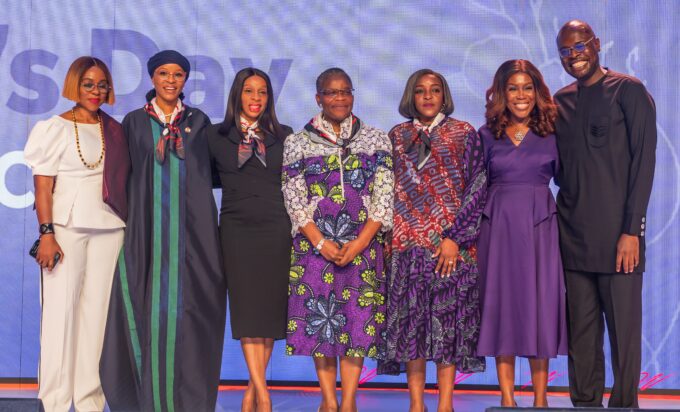
How FG, Access Bank are closing Nigeria’s gender finance gap
By Chioma Obinagwam Across Nigeria, women build businesses, drive culture, and sustain families. Yet, a persistent financing gap keeps too many of their...
Related Articles
Sky Aviation Handling Company’s revenue leaps by 54% in 2025
By Chioma ObinagwamSkyway Aviation Handling Company Plc delivered a robust financial performance...
How FG, Access Bank are closing Nigeria’s gender finance gap
By Chioma Obinagwam Across Nigeria, women build businesses, drive culture, and sustain...
Why NCC Directed Telecom Operators to Compensate Subscribers for Poor Network Service
By Chioma ObinagwamThe Nigerian Communications Commission (NCC) has directed Mobile Network Operators...


How DataPro’s free AI training is upskilling financial journalists
By Chioma Obinagwam Africa’s fastest-growing credit rating agency, DataPro, is offering journalists,...

Leave a comment