



By Chioma Obinagwam
As we celebrate workers’ day, it is pertinent to reflect on some individuals whose legacy has helped to shape the welfare of workers today.
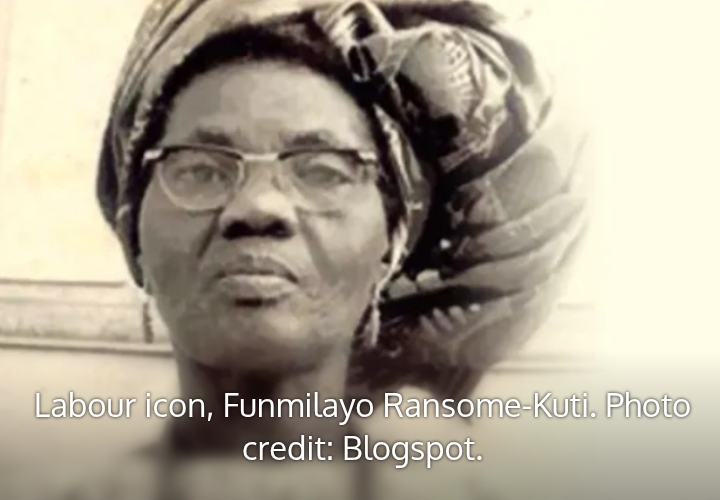
One of such icons, is Funmilayo Ransome-Kuti (1900–1978), a Nigerian activist, educator, and women’s rights advocate, is celebrated as a labour icon for her transformative contributions to Nigeria’s labour market. Born in Abeokuta, Ogun State, she championed workers’ rights, particularly for women, during the colonial era, leaving an indelible mark on Nigeria’s socio-economic landscape.
Ransome-Kuti’s labour activism was rooted in her leadership of the Abeokuta Women’s Union (AWU), founded in the 1940s. She mobilized thousands of market women against oppressive colonial policies, including unfair taxation and exploitative labour conditions. Her most notable achievement was the 1947 Abeokuta Women’s Revolt, where she led protests against the Alake of Egbaland and colonial authorities, demanding better working conditions and economic justice for women traders. This movement secured significant reforms, empowering women in the labour market.

Beyond market women, Ransome-Kuti advocated for fair wages and gender equality in workplaces, influencing Nigeria’s early labour policies. As a co-founder of the Nigerian Women’s Union, she amplified women’s voices in labour discourse, fostering solidarity. Her fearless activism, despite arrests and harassment, inspired generations of labour leaders.
Ransome-Kuti’s legacy endures in Nigeria’s labour movement, with her work shaping policies that uplift women workers. She remains a symbol of resilience, justice, and equality in Nigeria’s labour history.
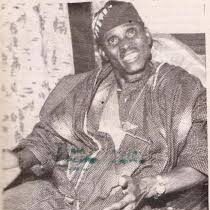
Others include, Michael Imoudu, who was a fearless advocate for workers’ rights. Born in 1902 in Edo State, he rose to prominence as a labour leader, dedicating his life to improving the welfare of Nigerian workers.
Hassan Sunmonu, who was the founding president of the Nigeria Labour Congress (NLC) in 1978. He unified various trade unions and led campaigns for better wages and working conditions. His leadership in the early 1980s, including pushing for the first national minimum wage in 1981, was pivotal in strengthening workers’ rights.
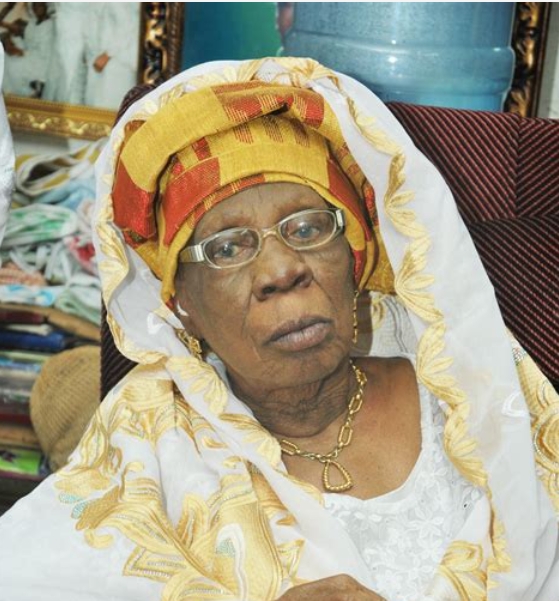
Alhaja Abibatu Mogaji, is another woman whose leadership and activism helped to shape the informal labour sector. As a leader of the Lagos Market Women Association, Mogaji championed the rights of market women in the 1940s–1960s, resisting colonial price controls and advocating for economic inclusion.
These icons, through their leadership and advocacy, shaped Nigeria’s labour landscape, ensuring better welfare and representation for workers across various sectors.




Leave a comment