



By Joan Chioma Obinagwam
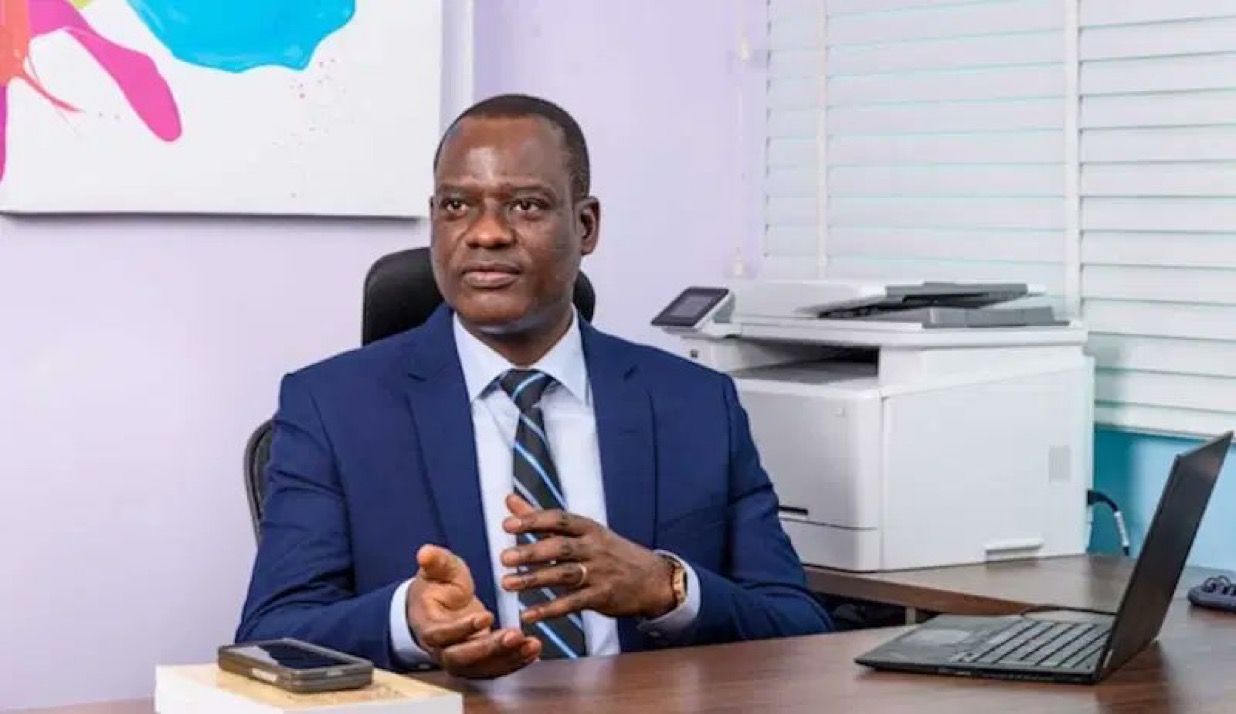
The Presidential Fiscal Policy and Tax Reforms Committee firmly debunked fears of automatic taxation on bank account inflows.
He told Confiance News during an interactive session with journalists, influencers, and analysts on Thursday, October 3, 2025, clarifying that while banks must report quarterly transactions above a certain threshold, it is “not true that inflows into bank accounts will be automatically taxed.”
The engagement in Lagos aimed to unravel persistent myths about Nigeria’s freshly passed tax overhaul, which the committee described as a blueprint for easing burdens on everyday citizens and fueling sustainable growth. Chairman Taiwo Oyedele warned that global tax reforms often spark confusion, but deliberate misinformation erodes shared gains. “The reforms are designed to benefit ordinary Nigerians, secure long-term economic stability, and inclusive growth for the country,” he stated.
“The objectives of the reforms have been clear from the very beginning – reduce the tax burden on the masses, harmonise and simplify tax rules to address multiplicity of taxes, promote a modern, business-friendly and globally competitive tax system. Our approach is people-centric, growth-focused, and efficiency-driven,” Mr. Oyedele said.
Delving into the details, the committee outlined a tiered Personal Income Tax system exempting low earners on the national minimum wage, lightening loads for middle-income groups, and requiring the wealthiest 3 percent to contribute up to 25 percent progressively—a ceiling below the 35 percent rates in Ghana and Kenya or South Africa’s 45 percent.
Value Added Tax (VAT) adjustments prioritize affordability, with zero rates on food, education, and health services, full exemptions for rent and transport, and wider input credits for businesses to slash costs and prices for consumers. Small enterprises escape VAT collection, dodging excessive paperwork.
On the Tax Identification Number (TIN)—frequently mistaken for a novel ID card—the panel reiterated its limited scope: mandatory only for business or income-linked bank accounts, a measure rooted in the 2020 Finance Act and active since January 13, 2020. This harmonizes existing systems for smoother commerce, without imposing taxes on routine deposits.
The informal sector, vital to jobs and GDP, receives a lifeline: firms with turnovers under N100 million sidestep corporate income tax, VAT charging, and withholding duties, with incentives to formalize and scale up unhindered.
Harmonization trims over 60 taxes and levies to fewer than 10, curbing overlaps and compliance woes. Rather than escalating loads, the administration is lightening them, scrapping or halting legacies like the 5% airtime/data levy, cybersecurity charges on transfers, carbon taxes on plastics, and vehicle excises.
No novel taxes target the previously untaxed, the committee affirmed. Influencers, content creators, virtual asset gains, and akin pursuits fell under the old Personal Income Tax Act; updates merely sharpen rules, allow loss offsets, and exempt true gifts from levy. Public spotlight has sometimes recast old norms as innovations, but the ethos remains fairness, simplicity, and growth-enabling infrastructure.
Further assurances included zero taxation for the poor, net savings for average taxpayers, and business perks like unified filings, boosted credits, swift refunds, cut withholding rates, and eyed corporate tax drops. Small outfits gain formal-economy footholds without reprisals, while evasion curbs ensure equity for upright payers. “These reforms are not about raising taxes arbitrarily, but about making the system simpler, fairer, pro-people and pro-growth,” officials emphasized.
Mr. Oyedele implored citizens to chase facts and collaborate. “These reforms are designed to benefit all Nigerians. Let us work together to ensure effective implementation and position ourselves for the better days ahead of us,” he said.
Looking ahead, Confiance News gathered, the committee pledged collaboration with enforcement bodies to deliver a rigorous, open rollout. Ongoing consultations will solicit input, resolve issues, and facilitate a seamless shift, ensuring the reforms deliver on their promise of broad-based uplift.










Leave a comment