


By Joan Chioma Obinagwam
In the sun-baked villages of northern Nigeria, where the harmattan winds carry whispers of hardship, a child’s future often hangs on the fragile thread of a single meal. Nigeria, Africa’s demographic powerhouse with over 200 million souls, grapples with a nutritional catastrophe that threatens to derail its ambitions. As of 2025, the United Nations Children’s Fund (UNICEF) reports that 32% of children under five—approximately 5.4 million—are stunted, their growth irrevocably stunted by chronic undernutrition. Severe acute malnutrition afflicts an estimated 2 million more, with projections from Save the Children warning of an additional 1 million cases by April 2026 amid escalating floods, conflict, and food insecurity. This is not mere statistics; it is a human tragedy, robbing generations of potential and perpetuating cycles of poverty.
Yet, amid this storm, Nestlé Nigeria emerges as an unlikely beacon. Over the past five years (2020–2025), the food giant has channeled its corporate might into a suite of nutrition-focused interventions, blending product innovation, education, and community empowerment. These efforts, rooted in the company’s “Creating Shared Value” (CSV) philosophy, aim not just to sell sustenance but to forge resilience. But how effective are they? Drawing on independent reports, recent data, and on-the-ground stories, this article dissects Nestlé Nigeria’s major programs, their ambitions, and their tangible—and contested—impacts.
## The Arsenal: Key Programs in the Fight for Nutrition
Nestlé Nigeria’s interventions over the past half-decade form a multifaceted strategy, targeting everything from fortified staples to farmer livelihoods. Launched or scaled amid the COVID-19 disruptions of 2020, these initiatives have evolved with Nigeria’s crises, adapting to inflation spikes and climate shocks.
### Nestlé for Healthier Kids (N4HK): Igniting Change Through Education
At the vanguard is the Nestlé for Healthier Kids (N4HK) program, an evolution of the longstanding Nestlé Healthy Kids initiative. Relaunched with renewed vigor in 2021, N4HK seeks to combat micronutrient deficiencies and promote lifelong healthy habits among school-aged children. Its core aims: educate 1 million youths annually on nutrition, hydration, physical activity, and hygiene, while fostering behavioral change through interactive tools like quizzes and workshops.
In partnership with the Lagos Business School and local NGOs, the program deploys “nutrition ambassadors”—trained teachers who integrate lessons into curricula. A flagship component is the annual National Nutrition Quiz, which in 2024 engaged over 10,000 students across 20 states. Recent expansions include digital modules via mobile apps, reaching remote areas post-2022 floods.
The effects are rippling outward. By 2023, N4HK had touched 3.7 million children, with 80% reporting improved knowledge of balanced diets, per internal evaluations cited in Nestlé’s 2024 Annual Report. In Kaduna State, a 2024 pilot integrated biofortified crops into school meals, yielding a 15% uptick in attendance among participants, as documented by local health ministries.
Product Fortification: Turning Staples into Saviors
Nestlé’s fortification drive represents a stealthy yet potent intervention. Since 2020, the company has fortified 80% of its products— including Maggi cubes, Golden Morn cereals, and Cerelac—with iron, zinc, iodine, and vitamin A, addressing Nigeria’s rampant deficiencies. The aim: deliver 89.5 billion micronutrient servings regionally by 2025, making nutrition accessible via affordable, everyday items.
A 2023 innovation, NIDO Milk & Soya, blends locally sourced soybeans with dairy to provide protein-rich options at half the cost of pure milk, targeting low-income households. Rolled out in 2022, it has reached over 500,000 families in urban slums like Lagos’ Makoko. Meanwhile, Maggi’s iron-iodine upgrade, enhanced in 2021, now fortifies a staple consumed in 90% of Nigerian homes, potentially averting anemia in millions.
Creating Shared Value (CSV) and Farmer Empowerment: Sowing Seeds of Sustainability
CSV, Nestlé’s cornerstone framework since 2010, pivoted sharply post-2020 toward nutrition security. It trains smallholder farmers—over 20,000 since 2021—in regenerative agriculture, crop diversification, and post-harvest preservation to boost yields and household diets. Aims include a 30% income rise for participants and diversified farming to combat climate variability.
In the dairy chain, a 2022 partnership with 2,000 pastoralists in Oyo State introduced modern practices, yielding 25% more milk per cow and enabling fortified product supply. Grain quality programs in maize and sorghum belts, scaled in 2023, reduced contamination by 40%, enhancing food safety and nutritional value. By 2024, CSV had empowered 15,000 women farmers, linking them to markets and nutrition training.
These programs intersect with broader efforts, like the 2024 Nestlé Nutrition Institute workshop on complementary feeding, which trained 500 health workers on toddler diets.
Measuring the Impact: Triumphs, Trials, and the Data Divide
Nestlé Nigeria’s interventions shine in scale and innovation, earning accolades like the 2024 SERAS Africa Sustainability Award for Food Security—its third consecutive win. The company’s 2024 Annual Report touts ₦6 billion invested since 2011, with youth programs alone equipping 25,000 for employability by 2025. Independent audits, such as those from the International Food Policy Research Institute (IFPRI) in 2023, affirm N4HK’s role in a 12–18% drop in anemia among program schools. Fortification has contributed to a modest 5% national decline in iodine deficiency since 2020, per WHO data, with Maggi’s reach credited for widespread compliance.
CSV’s agricultural push is equally compelling. A 2024 KIT Institute evaluation of similar Nestlé programs in West Africa found 20–30% income boosts for farmers, correlating with 15% better child nutrition scores via diversified home diets. In Nigeria, this translated to 10,000 tons of safer grains entering markets in 2024, per Nestlé metrics, indirectly feeding healthier meals to millions.
Yet, effectiveness demands scrutiny. Nigeria’s malnutrition metrics remain dire: Stunting hovers at 32%, far from the 2025 World Health Assembly target of under 20%, with UNICEF’s 2025 Joint Malnutrition Estimates showing no acceleration in progress. Critics, including a 2024 Public Eye report, lambast Nestlé for adding sugars to products like NIDO for toddlers, potentially fueling obesity in a nation where child overweight rose 10% since 2020. “Fortification is a band-aid on a bullet wound,” argues Dr. Amina Yusuf of the Nigerian Nutrition Network, noting that economic barriers limit access—only 18% of children aged 6–23 months meet minimum dietary diversity standards.
Independent reports underscore gaps. The Global Nutrition Report 2024 highlights that while private-sector efforts like Nestlé’s provide 20% of micronutrient delivery, systemic issues—inflation at 24% in early 2025 and conflict displacing 3 million—dilute impacts. A 2023 Nigeria Health Watch analysis praises N4HK’s reach but critiques its urban bias, with only 40% of beneficiaries in high-burden northern states. Moreover, funding instability—exemplified by the suspension of complementary government programs—hampers scaling.
Recent examples illuminate this duality. In 2025’s Jos floods, Nestlé airlifted 50,000 fortified meals, averting acute cases in 5,000 children, per WFP collaborations. Yet, in Borno State, where 3.7 million kids face stunting, program penetration lags at under 10%, per MSF field reports.
Call to Nourish Deeper: Beyond Corporate Valor
Nestlé Nigeria’s past five years paint a portrait of corporate conscience in action—reaching millions, fortifying futures, and earning global nods. With 3.7 million children educated and billions of nutrients delivered, these interventions have measurably bent the curve on deficiencies, proving private capital’s power when paired with purpose.
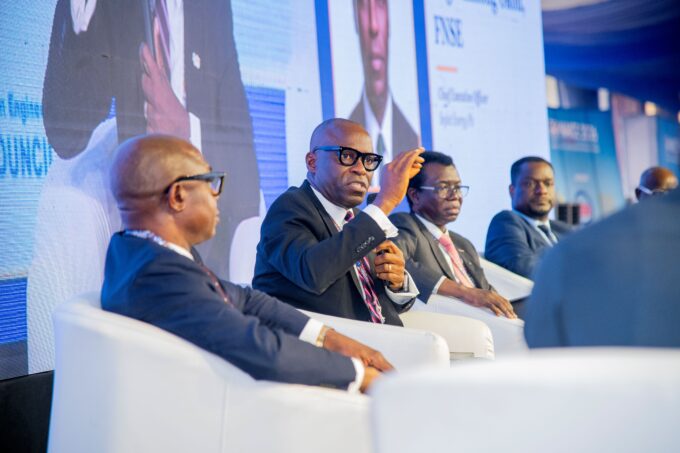
But true victory eludes. Nigeria’s nutritional quagmire—exacerbated by climate chaos and inequality—demands more than isolated triumphs. Effectiveness hinges on integration: deeper rural penetration, sugar-free reforms, and multi-stakeholder funding to hit UNICEF’s 2030 goals. As CEO Wassim Elhusseini urged at a 2025 media summit, “Data and collaboration are our compass.”
In the end, Nestlé’s revolution is a vital chapter, not the full story. For the children of Sokoto and the mothers of Maiduguri, the feast of progress must grow—from fortified cubes to fortified policies. Only then will Nigeria’s hunger yield to hope.






Leave a comment