By Chioma Obinagwam
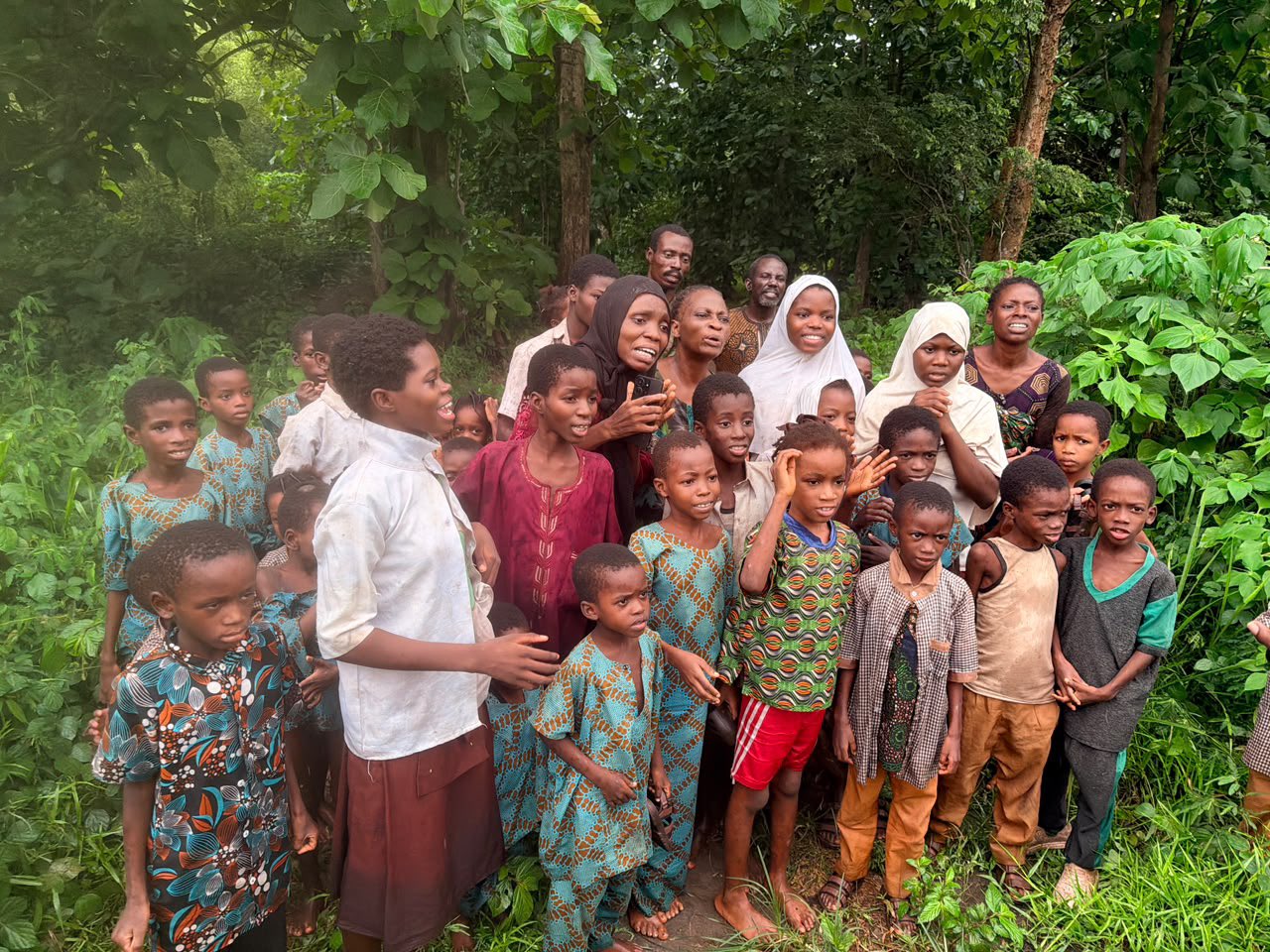
The 46 pupils and teachers freed from captivity in Orire on Friday are coming home to empty desks, a stalled term and a school calendar that never waited for them.
Rescue Ends One Crisis, Opens Another
The 39 pupils and seven teachers abducted from three schools in Orire Local Government Area of Oyo State on May 15 have finally regained their freedom, Confiance News has learned. The Special Adviser to the President on Information and Strategy, Bayo Onanuga, confirmed the development in a post on his X handle on Friday, saying security operatives moved without paying any ransom to the kidnappers.
But while national attention has settled on the relief of families reunited after nearly two months of anguish, a quieter crisis is only beginning inside Orire’s classrooms. The abduction did not just take 46 people out of their communities. It emptied schools across Ogbomoso and its surrounding towns for weeks, disrupted the West African Senior School Certificate Examination calendar, and triggered an indefinite teachers’ strike that shut down public education across the entire state.
Fifty-Six Days Off The Register
Gunmen struck Community Grammar School, Baptist Nursery and Primary School and L.A. Primary School in the Esiele and Yawota communities on a Friday morning in mid-May, cutting short a school term that has still not recovered. Immediately after the attack, the Oyo State Universal Basic Education Board ordered all primary schools in neighbouring Surulere, Oyo East, Oriire and Olorunsogo to shut their doors, a precaution the board said was necessary to prevent secondary incidents while security agencies worked.
By June 1, the disruption had widened far beyond the four affected local government areas. The Nigeria Union of Teachers declared an indefinite strike across Oyo State, pulling teachers out of public classrooms statewide and leaving only WASSCE candidates permitted inside examination halls. Confiance News gathered that the strike, which the union’s state secretariat framed as leverage to force faster government action, effectively froze learning for pupils who had no connection to the abduction itself.
NUT secretary Olukayode Salami said the union could not ask its members to work while their colleagues remained in danger. “Normal teaching and learning could not continue while educators remained exposed to the threat of abduction,” Salami said in a statement explaining the strike action.
The Oyo State government pushed back, warning that the shutdown carried its own costs. Commissioner for Information Dotun Oyelade said after a State Executive Council meeting that prolonging the closure risked harming the same pupils the strike was meant to protect, describing the “collateral implications” of an extended shutdown as a growing concern that needed to be weighed alongside the union’s grievances.
Private schools joined the disruption too. The Coalition of Private Schools in Oyo State coordinated a solidarity closure in early June, holding a prayer session for the victims rather than resuming classes, a signal of how deeply the abduction had unsettled the state’s entire education sector, not just the three schools directly hit.
The Numbers Behind The Silence
Confiance News gathered from OYOSUBEB and NUT statements that the disruption touched thousands of pupils who never set foot near Orire, as attendance in Ogbomoso and neighbouring communities collapsed even before the strike began. For the 39 pupils and seven teachers who were actually taken, the toll is starker. They missed close to eight weeks of a term that included WASSCE preparation for some schools in the axis. Dr. Nureni Adeniran, Executive Chairman of OYOSUBEB, said the board’s priority in the days after the attack was safety first, with continuity of learning to follow once security stabilised, a sequencing that Friday’s rescue has only partly closed out.
The Trauma Behind The Learning Gap
Beyond the missed lessons sits a harder problem: what nearly two months in captivity may have done to how these 39 pupils and seven teachers think, sleep and relate to other people, and how that could shape their return to class long after the headlines fade.
A 2022 study of abducted schoolchildren in Kaduna State, published in Acta Scientific Women’s Health by researcher Bashir Adam Yakasai and colleagues, found that victims commonly reported symptoms consistent with post-traumatic stress disorder after regaining their freedom, alongside difficulty trusting others and unusual physical complaints that persisted well after release. The study noted that most respondents who resumed school still carried these symptoms into the classroom, even when learning itself continued normally.
The West Africa Network for Peacebuilding’s Nigeria early warning unit, which has tracked the Orire and Borno abductions since May, reached a similar conclusion in a situation report reviewed by Confiance News. The analysis warned that school abductions produce psychological effects that resonate far beyond the immediate victims and affected communities, and that survivors face long-term consequences for their wellbeing, educational attainment and social reintegration, separate from whatever academic catch-up support they eventually receive.
That distinction matters for how Oyo State designs its response. A pupil who returns to a desk after eight missed weeks needs revision classes. A pupil who spent those eight weeks fearing for their life needs something a syllabus cannot provide. Save the Children Nigeria Country Director Famari Barro has made this point about the pattern of Nigerian school attacks generally since Chibok, warning that the combination of trauma and lost schooling tends to compound rather than resolve on its own unless survivors get structured help to recover.
For families in Orire, the practical symptoms researchers describe, sleep disruption, heightened anxiety around strangers, difficulty concentrating, and reluctance to be separated from parents, can quietly undercut a child’s ability to sit through a normal school day even after the physical danger has passed. Teachers who welcome the 39 pupils back may be dealing with distraction, withdrawal or sudden distress that has nothing to do with how much schoolwork was missed and everything to do with what happened in captivity.
What Coming Back To Class Actually Requires
Whether Oyo State has a concrete reintegration plan covering both counselling and catch-up instruction remains unclear. Neither OYOSUBEB nor the state’s Ministry of Education has published a framework for the returnees, and the WANEP report’s recommendations, including comprehensive psychosocial support and long-term mental health integration into recovery efforts, echo what researchers found in Kaduna years earlier without a settled state-level response. Confiance News reached out to the Oyo State Ministry of Education for comment on reintegration plans and had not received a response as at press time.
A Test For The State, Not Just A Celebration
Friday’s rescue closes out weeks of national anxiety, and the gratitude expressed by freed teachers, including Community High School principal Rachael Alamu, who thanked President Bola Tinubu and security agencies in a video shared by the Presidency, reflects genuine relief. But the disruption this abduction caused did not end with the rescue operation. It will be measured by whether WASSCE-track pupils get make-up instruction, whether OYOSUBEB restores attendance across the affected local government areas, and whether the state funds the psychosocial support researchers and child protection specialists say is essential rather than optional. How Oyo State handles the academic and emotional aftermath for Orire’s returnees may say more about its long-term commitment to those pupils than Friday’s rescue announcement alone can capture.
Additional reporting sighted by Confiance News from statements by the Presidency, the Oyo State Universal Basic Education Board, the Nigeria Union of Teachers and Save the Children Nigeria.



Opinions/Editorials
 Chioma ObinagwamJuly 10, 20265 Mins read49
Freed but behind: Oyo pupils’ school crisis begins
Chioma ObinagwamJuly 10, 20265 Mins read49
Share

Related Articles

Opinions/Editorials Chioma Obinagwam6 Mins read
We tell young people to make better choices. But who is teaching them how?
We often tell young people to make better choices – Choose the...
Chioma Obinagwam6 Mins read
Opinions/Editorials Chioma Obinagwam14 Mins read
Why executive presence is becoming a competitive advantage in Africa
For years, conversations about Africa’s competitiveness have centred on infrastructure, capital, technology,...
Chioma Obinagwam14 Mins read
Opinions/Editorials Chioma Obinagwam8 Mins read
Freedom of Information Act and the limits of press freedom
Nigeria’s FOIA 2011 gives journalists the legal right to access public information,...
Chioma Obinagwam8 Mins read



Opinions/Editorials  Blaise Udunze7 Mins read
The Risk of Calling Alex Otti “Another Sam Mbakwe”
Do you know that history rarely produces leaders whose names become synonymous...
Blaise Udunze7 Mins read

Leave a comment