



By Chioma Obinagwam
“#Guinee: Five circumcisers and six men (among them are two district presidents) have been arrested for engaging in #FGM.
The two district presidents were the ones who ordered the women to perform the FGM on many young girls in their community,” it tweeted.
Confiance News also learns that they were arrested in Banzou North in Kouéké and Bounouma. They were all referred to the Central House of N’Zérékoré for prosecution.
Girdle Advocacy disclosed that the circumcisers, except one, were unrepentant and refused to plead for mercy, arguing that #FGM is their tradition.
Goma, however, apologized to the court and said she’ll stop performing it.
“I will not do anymore. We do it to be able to eat. But from now on, I will not do it again.” The old woman promised.
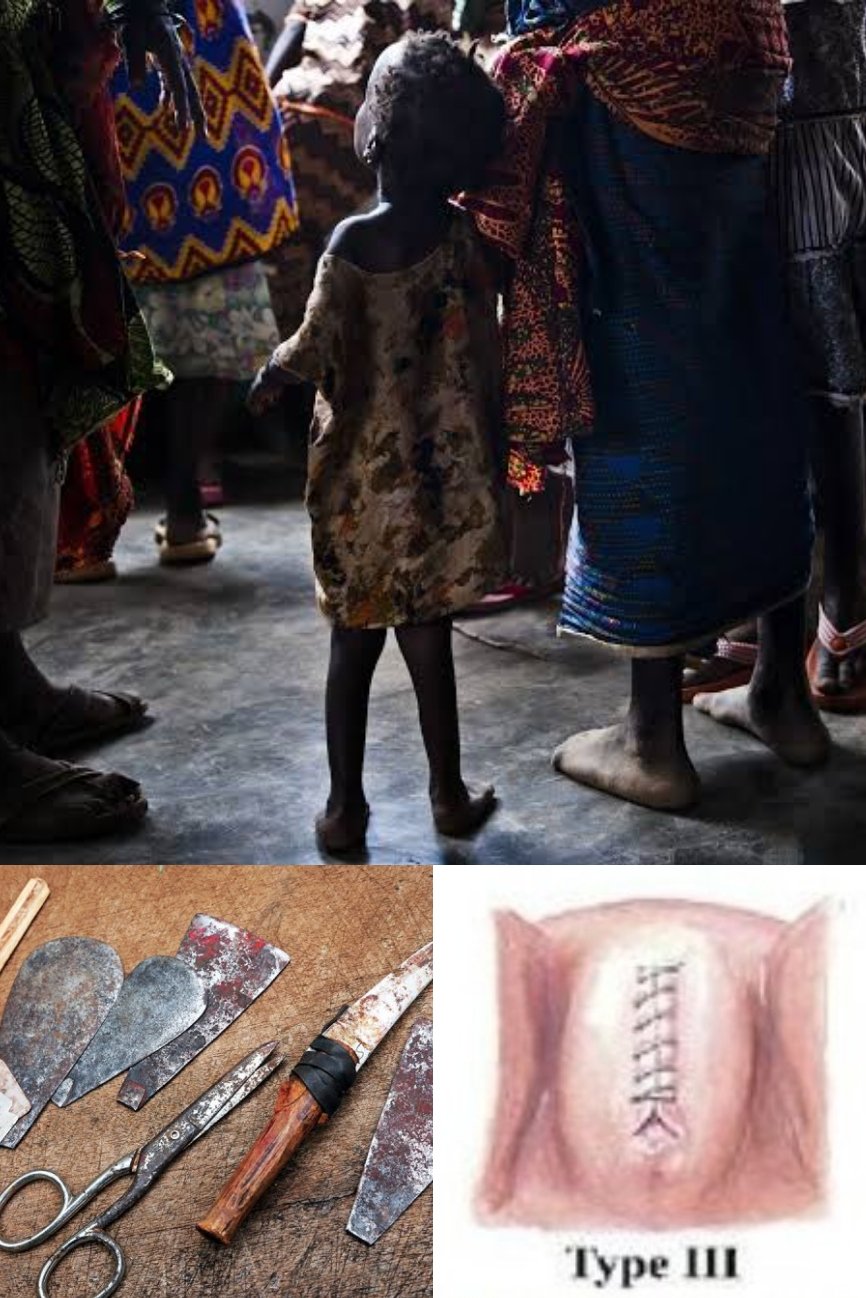
Female Genital Mutilation (FGM) is a harmful practice that involves the partial or total removal of the external female genitalia for non-medical reasons. It is widely recognized as a violation of the human rights of women and girls, as well as a form of gender-based violence and discrimination.
According to a report by Plan International and the African Child Policy Forum, 22 of the 28 African countries where FGM is practiced have adopted legislations prohibiting it. Some of these countries are Ghana, Benin, Ethiopia, Kenya, Uganda, and Djibouti. The sanctions for FGM range from fines to imprisonment, and in some cases, life imprisonment or death penalty.
However, the report also notes that the laws are often inadequate and seldom enforced, and that prosecutions are rare. Some countries, such as Chad, Liberia, Mali, Sierra Leone, Somalia and Sudan, have not criminalized FGM at all. In some cases, the practice has been pushed underground or across borders to avoid detection and prosecution.
The African Union Commission has expressed its commitment to end FGM and protect the rights of women and girls through various treaties and initiatives, such as the Protocol to the African Charter on Human and Peoples’ Rights on the Rights of Women in Africa (Maputo Protocol on Women’s Rights), the Saleema Initiative, and the East African Community Prohibition of Female Genital Mutilation Act. The Commission has also lauded a recent decision by the High Court of Kenya that dismissed a case challenging the prohibition of FGM.
FGM is a complex and deeply rooted issue that requires not only legal but also social and cultural interventions. It is important to raise awareness, educate communities, empower women and girls, and engage with religious and traditional leaders to challenge the norms and beliefs that perpetuate FGM. Together, we can achieve zero tolerance for FGM and ensure the dignity and well-being of all women and girls.






Leave a comment