

By Chioma Obinagwam
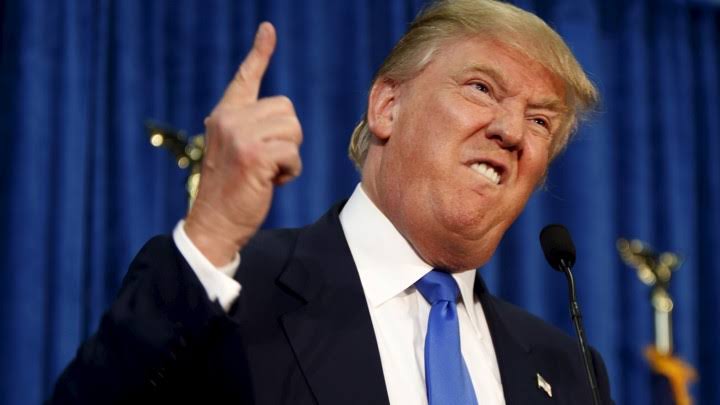
The United States (U.S.) President, Donald Trump, imposed sanctions on South Africa primarily due to the country’s Expropriation Act, which allows the government to seize land from disfavoured citizens without compensation.
Confiance News gathered from an official statement issued by the White House on Friday.
Trump claimed this act was a human rights violation against ethnic minority descendants of settler groups.
President Trump: “South Africa is confiscating land, and treating certain classes of people very badly […] I will be cutting off all future funding to South Africa until a full investigation of this situation has been completed!”
More so, South Africa’s positions against the U.S. and its allies, such as accusing Israel of genocide and strengthening ties with Iran, contributed to the decision.
“South Africa also strengthened ties with Iran, which supports terrorism globally.
While championing terrorism and autocratic regimes abroad, South Africa has committed similar human rights violations at home. The recent Expropriation Act enables the government of South Africa to seize ethnic minority descendants of settler groups’ agricultural property without compensation,” the statement disclosed.
The Expropriation Act, Confiance News learns, follows countless government policies designed to dismantle equal opportunity in employment, education, and business, and hateful rhetoric and government actions fueling disproportionate violence against racially disfavored landowners.
“Years ago, the South African government disbanded volunteer forces defending rural farmers, turning a blind eye to the ensuing farm attacks,” the statement indicated.



Leave a comment