By Joan Chioma Obinagwam
Imagine a Nigeria where the naira stands tall, not as a volatile shadow of the dollar, but as a powerhouse backed by untapped treasures buried in everyday soil—your land, your farm, your dreams. Where a farmer in Kano doesn’t just till with a hoe but harvests with machines that multiply yields tenfold, feeding a nation and exporting surplus to the world. Where a young entrepreneur in Lagos doesn’t beg banks for scraps but unlocks credit against a home that’s finally “alive” with a proper title, fueling businesses that employ millions.
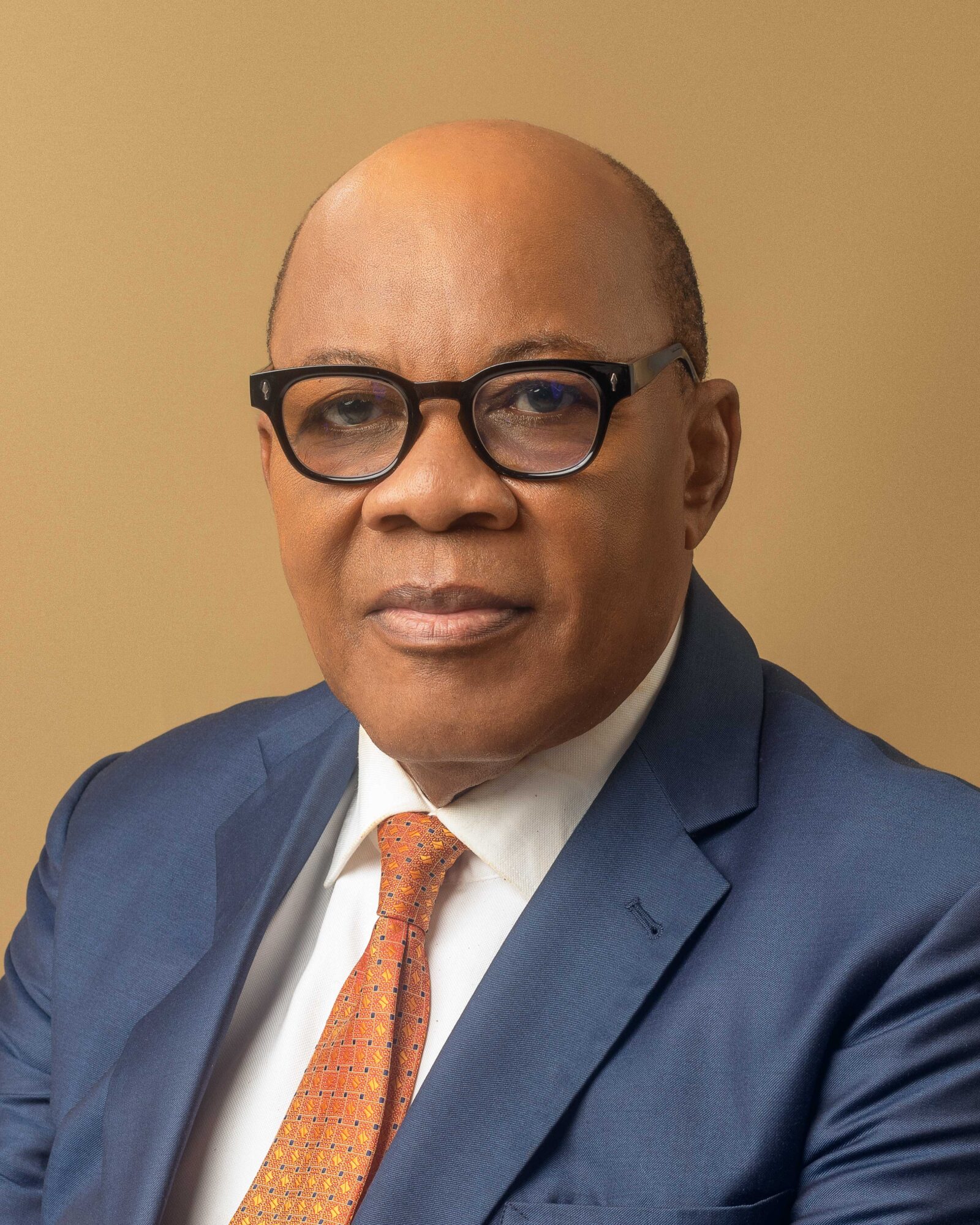
This isn’t a pipe dream. It’s the vision laid bare in an electrifying open letter from Dr. Olisa Agbakoba, SAN—a legal titan and founder of Olisa Agbakoba Legal—who’s just handed Finance Minister Wale Edun a 3-point blueprint to catapult Nigeria’s economy to over 1 quadrillion naira in value within 10-15 years. Penned amid headlines of GDP upticks and easing inflation, Agbakoba’s missive cuts through the noise: Sure, President Tinubu’s reforms have stabilized reserves and oil output, but the naira’s 40% plunge in 2024 screams for deeper fixes. “The naira lacks fundamentals,” he warns—tangible pillars like secure assets and productive credit that make people want to hold it.
At stake? A seismic shift from subsistence survival to global contender status. Drawing on Hernando de Soto’s The Mystery of Capital—praised by Margaret Thatcher as a “revolution” for the Third World—Agbakoba argues that Nigeria’s “dead capital” (assets trapped by faulty titles) is worth $900 billion, or 1.5 quadrillion naira at current rates. Unlock it, and watch liquidity flood markets, volatility vanish, and prosperity bloom. But can this blueprint deliver? We’ve scoured expert views to amplify Agbakoba’s ideas, spotlight gaps, and forge actionable paths forward. The clock’s ticking—let’s dig in.
Pillar 1: Land, Real Estate titling—Turning dirt into dollars
Agbakoba’s opener is a bombshell: 90 percent of Nigeria’s land and properties suffer “tainted, defective, or no titles,” per World Bank, PwC, and his firm’s studies. These aren’t just papers—they’re shackles on $900 billion in “dead capital.” Formalize them via digital titling, and owners borrow against homes, trade assets freely, and inject trillions into banks. The government’s National Land Registration, Documentation and Titling Programme (NLRDTP)—branded “Land4Growth”—is a solid start, targeting 1 million digital titles in 18-20 states. Scale it nationwide, harmonize federal-state laws, and boom: A liquid real estate market that lures investors home from London and Dubai, slashing dollar hoarding.
Expert echoes: Housing Minister Ahmed Dangiwa, speaking at the 2025 World Bank Land Conference, hailed this as a “digital land reform model” unlocking $300 billion federally alone—fewer than 5 percent of lands are titled today, starving states of revenue. Akin Mabogunje, the late urban planning guru, long argued unregistered lands cripple SMEs by blocking loans. Dr. Agbakoba himself projects an initial N40 trillion injection, converting informal holdings into bankable gold. Ugochukwu Chime, head of the Land Reforms Task Team, pushes for a National Land Commission to operationalize the Land Use Act, making consents efficient and titles bulletproof.
Gaps: Only 10 percent of land is formalized, per experts, with the 1978 Land Use Act outdated and clogged—governors’ consents delay deals for years, breeding corruption. Digital integration sounds great, but rural internet blackouts and illiterate farmers mean titles gather dust. Enforcement? Weak—fake titles proliferate, and states feud over boundaries. Without citizen buy-in, as a 2019 Ogun State study showed low satisfaction from opaque processes, reforms fizzle.
Workable fixes:
Pilot power: Roll out NLRDTP in 5 high-potential states (e.g., Lagos, Kano, Ogun) by Q2 2026, issuing 200,000 titles via mobile vans and community agents—cost: N50 billion, funded by World Bank loans.
Tech + Trust: Partner with NIMC for biometric linking and blockchain for tamper-proof records; train 5,000 local registrars in 2026, emphasizing Hausa/Igbo/Yoruba interfaces.
Incentivize Uptake: Waive fees for first 500,000 rural titles, tie to tax breaks—aim for 20 percent formalization by 2028, unlocking N200 trillion.
This isn’t revolution—it’s restitution, freeing wealth Nigerians already own.
Pillar 2: Credit economy expansion—From cash crunch to credit boom
Nigeria’s a cash kingdom: Folks buy only what they pocket, stifling growth. Agbakoba flips the script—build a credit web where 200 million Nigerians snag N300,000 loans each, pumping N60 trillion into homes, startups, and shelves of local goods. Why? Naira credit curbs imports, deepens markets, and shields against FX shocks. It’s simple math: Rent-payers can mortgage, but without frameworks, banks balk.
Expert echoes: PwC’s 2025 Economic Outlook nods to fintechs bridging gaps, projecting 3.4 percent GDP growth if credit hits underserved masses. Dr. Henry Uzokwe warns of “predatory lending traps,” but praises CBN/FCCPC regs for ethical digital loans. IMF’s Axel Schimmelpfennig and Christian Ebeke urge fixing “structural impediments to private credit” for inclusive surge. Finance Minister Edun, in Davos 2025, vows doubling growth to 7 percent via private investment, echoing Agbakoba’s call.
Gaps: Credit coverage? A measly 13.9 percent, vs. South Africa’s 66.5 percent—poor data, high NPLs from volatility, and 93 percent unbanked in 2012 (still ~70% today). High rates (25 percent+) and predatory fintechs ensnare the poor; weak literacy means over-borrowing. Kore Fusion flags regulatory whiplash stifling fintech-bank ties.
Workable fixes:
Data Drive: Mandate CBN’s National Collateral Registry expansion to 50 percent coverage by 2027 via AI scoring—partner fintechs like Carbon for 10 million new profiles.
Affordable Access: Cap rates at 15 percent for naira mortgages via guarantees; launch N10 billion literacy campaign in schools/markets by mid-2026.
Scale smart: Pilot N20 trillion credit fund for SMEs in 10 states, tied to titling—target 5 million loans in 3 years, monitored quarterly.
Credit isn’t debt—it’s dignity, turning “can’t afford” into “can achieve.”
Pillar 3: Agricultural mechanization—From hoes to harvests
Here’s the gut-punch: U.S. ag (2 percent workforce) yields $1.5 trillion; Nigeria’s (35 percent workforce) scrapes $47 billion. Why? Hoes vs. harvesters. Agbakoba demands mechanization plus value chains—cold storage, processing, exports—to slash losses, secure food, and flood FX reserves. Self-sufficiency kills import bills; surplus strengthens the naira.
Expert echoes: IFPRI’s Hiroyuki Takeshima notes tractors boost scope economies for rice/non-rice crops, but demand must lead policy. World Bank’s 2025 NDU ties ag productivity to $1 trillion goal, urging infrastructure for climate resilience. Dimieari Von Kemedi of Alluvial eyes $300 million rice boom in Delta via John Deere leases. FAO stresses targeting smallholders with hand tools first.
Gaps: Imports dominate (4 million tons rice in 2016); small plots, no power, and titling woes block loans for tractors. Stagnant adoption since 1980s—10 percent tractor use—due to imports sans support. Northern labor substitution clashes with southern rice needs.
Workable fixes:
Lease revolution: Subsidize 10,000 tractor rentals via public-private hubs in 20 states by 2027—N100 billion, yielding 20 percent productivity jump.
Chain Build: Invest N50 billion in 500 cold chains/processing plants; train 1 million farmers on hybrids via extension services.
Export Edge: AfCFTA-linked grants for certified surplus—target $5 billion exports by 2030, cutting imports 30 percent.
Mechanization isn’t luxury—it’s liberation from hunger.
Quadrillion-Naira economy: The road ahead
Agbakoba’s blueprint—tied to oil, maritime, and manufacturing—mirrors global calls: IMF’s 2025 review lauds Tinubu’s FX/fuel fixes but demands ag/credit/infra boosts for 5x growth. PwC and World Bank foresee 4.2-4.4 percent GDP in 2025-27 if reforms stick, but warn of “reform fatigue” without jobs. Gaps abound: Corruption erodes trust; insecurity hampers farms; climate shocks amplify volatility. Yet, as Edun says, ambition plus execution doubles growth in 1-2 years.
Achievable master plan:
2026 Quick Wins: Enact Land Use Administration Act; launch N30 trillion credit/ag fund.
Monitor momentum: Quarterly dashboards tracking titles issued, loans disbursed, yields up—adjust via AI analytics.
People First: N20 billion safety net for vulnerable during transition, per World Bank.
Honourable Minister Edun: Agbakoba’s letter isn’t critique—it’s catalyst. In 10 years, three presidents could etch this as their legacy. Nigeria’s quadrillion-naira future awaits. Will we till the soil—or let it lie dead? The choice is yours. Today.



What Dr. Agbakoba’s 3-Point Plan means for stronger Naira
 Chioma ObinagwamNovember 11, 20255 Mins read224
Share


Related Articles
 Chioma Obinagwam1 Mins read
𝗜𝗫𝗣𝗡 𝘁𝗼 𝗵𝗼𝗻𝗼𝘂𝗿 𝗜𝗧𝗥𝗲𝗮𝗹𝗺𝘀 𝗳𝗼𝘂𝗻𝗱𝗲𝗿 𝗥𝗲𝗺𝗺𝘆 𝗡𝘄𝗲𝗸𝗲 𝗮𝘁 𝟮𝟬𝘁𝗵 𝗮𝗻𝗻𝗶𝘃𝗲𝗿𝘀𝗮𝗿𝘆
𝗚𝗮𝗹𝗮 𝘁𝗼 𝗺𝗮𝗿𝗸 𝘁𝘄𝗼 𝗱𝗲𝗰𝗮𝗱𝗲𝘀 𝗼𝗳 𝗡𝗶𝗴𝗲𝗿𝗶𝗮’𝘀 𝗶𝗻𝘁𝗲𝗿𝗻𝗲𝘁 𝗲𝘅𝗰𝗵𝗮𝗻𝗴𝗲 𝗴𝗿𝗼𝘄𝘁𝗵• IXPN will...
Chioma Obinagwam1 Mins read

Opinions & Editorials Blaise Udunze10 Mins read
Nigeria’s N7.7 trillion vanishing act: More revenue, more interest, less to show
Nigeria spent N7.7 trillion on interest in the first half of 2026,...
 Blaise Udunze10 Mins read



Business & Economy Chioma Obinagwam1 Mins read
Naira strengthens to ₦1,328.28 as FMDQ turnover drops 22%
• The naira appreciated 1.86 per cent to average ₦1,328.28 per dollar...
Chioma Obinagwam1 Mins read

Leave a comment