




By Joan Obinagwam
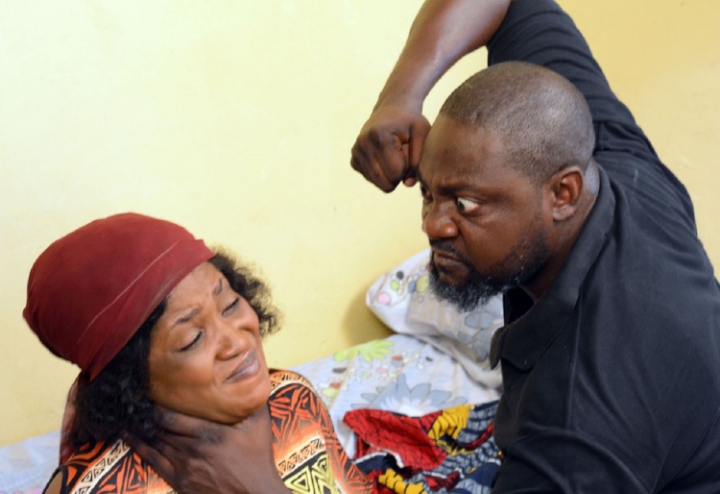
Domestic violence is a form of violence that occurs in a domestic setting, such as in a marriage or cohabitation, and it can affect women’s health and empowerment in many ways.
Confiance News gathered from the World Health Organization (WHO) that domestic violence can cause serious short- and long-term physical, mental, sexual, and reproductive health problems for women¹. Some of the health consequences of domestic violence include:
– Injuries such as bruises, cuts, broken bones, burns, and gunshot wounds
– Chronic pain syndromes such as headaches, back pain, pelvic pain, and fibromyalgia
– Gastrointestinal disorders such as irritable bowel syndrome, ulcers, and gastritis
– Sexual and reproductive health problems such as sexually transmitted infections (STIs), unwanted pregnancies, unsafe abortions, pelvic inflammatory disease, infertility, and gynecological disorders
– Mental health problems such as depression, anxiety, post-traumatic stress disorder (PTSD), substance abuse, eating disorders, and suicidal thoughts or attempts
– Increased risk of acquiring HIV in some settings
Domestic violence can also affect women’s empowerment by limiting their access to education, employment, income, and other resources that can help them achieve their potential and improve their well-being. According to the Office on Women’s Health (OWH), some of the effects of domestic violence on women’s empowerment include²:
– Reduced self-esteem and confidence
– Isolation from family, friends, and social networks
– Fear of leaving the abusive partner or seeking help
– Loss of control over one’s life and decisions
– Economic dependence on the abusive partner or lack of financial resources
– Legal problems or difficulties accessing justice or protection services
– Stigma and discrimination from society
Domestic violence is not only a human rights violation but also a threat to economic development. According to the International Monetary Fund (IMF), domestic violence can reduce the number of women in the workforce, minimize women’s acquisition of skills and education, and result in less public investment overall as more public resources are channeled to health and judicial services³. The IMF estimates that domestic violence costs the global economy about 1.5 percent of GDP per year.
Confiance News also learns that Domestic violence is a complex and multifaceted problem that requires a comprehensive and coordinated response from various sectors and stakeholders. The WHO recommends that the health sector plays an important role in providing comprehensive health care to women subjected to violence, and as an entry point for referring women to other support services they may need. The OWH suggests that women who have been abused or assaulted can seek help from various sources, such as hotlines, shelters, counselors, advocates, doctors, nurses, police officers, lawyers, or judges.
The IMF urges that governments adopt policies and programs that prevent domestic violence, protect survivors, prosecute perpetrators, and promote gender equality.






Leave a comment