



Nigeria’s energy workforce just got a major boost.
By Chioma Obinagwam
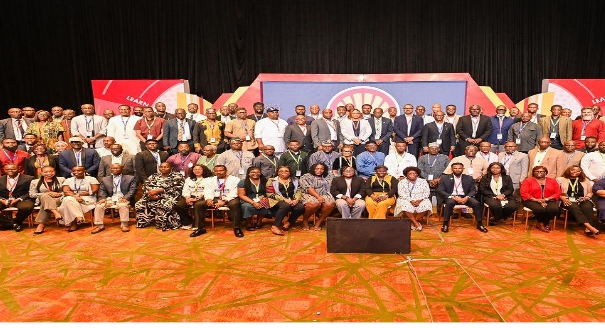
Nigeria LNG Limited has graduated 70 young professionals from its Train 7 Project Human Capacity Development Basic Training Programme, bringing the total number of Nigerians trained under the joint NCDMB/NLNG initiative to 401 batches, Confiance News reports.
The one-year programme, which spanned Data Analysis and Supply Chain Management, also exposed participants to Health, Safety and Environment, Business Management, Information Technology, Document Management, Nigerian Content awareness, and hands-on, on-the-job training, equipping them with a broad skill set relevant across the oil and gas value chain.
Strategic Investment
At the close-out ceremony, NLNG’s General Manager, External Relations and Sustainable Development, Sophia Horsfall, described the programme’s completion as proof of what deliberate investment in human capacity can deliver.
“You started this journey as candidates, and today, we are showing you off as professionals. From here, I urge you to continue to demonstrate the discipline you have learnt and never forget that you are the dividends of a national investment,” Horsfall said.
She charged the graduates to bring integrity, precision, and excellence to their chosen fields.
Closing Competency Gaps
Project Director of NLNG Train 7, Engr. Ali Uwais, credited the outcome to the partnership between NLNG and the Nigerian Content Development and Monitoring Board (NCDMB), describing it as a model for closing critical competency gaps in the industry.
“The success of this programme is a testament to the effective collaboration of NCDMB and NLNG to close competency gaps in relevant industry skills,” Uwais said.
He also commended the Oil and Gas Trainers Association of Nigeria (OGTAN) for upholding the training standards that ensured the programme met required competency benchmarks.
Regulatory Backing
Speaking on behalf of the Executive Secretary of NCDMB, General Manager for Human Capacity Development, Ms. Alexis Emelle, linked the programme to the Board’s Human Capital Development Guideline of 2020, which mandates major oil and gas projects to prioritise the training and empowerment of Nigerians.
Emelle noted that the Train 7 Project, one of Africa’s largest gas infrastructure developments, had gone beyond job creation to groom young Nigerians in advanced technical and managerial disciplines.
“The training provided hands-on experience on a live LNG project, complementing the trainees’ academic and theoretical knowledge. It also exposed them to specialised advanced technical disciplines, project management, health and safety, and emerging technologies critical to the future of the industry,” she said.
The graduation marks the formal conclusion of the Train 7 Human Capacity Development Basic Training Programme, reinforcing NLNG’s commitment to Nigeria’s human capital agenda and NCDMB’s mandate to deepen local content across the energy sector.


Leave a comment