



By Chioma Obinagwam
Nigeria LNG Limited (NLNG) on Thursday in Abuja said there is real demand for clean energy such as gas in Africa to trigger a massive take-off for industrialisation, with a growing young population, abundant natural resources, and emerging internal markets.
NLNG told Confiance News in a statement on Friday.
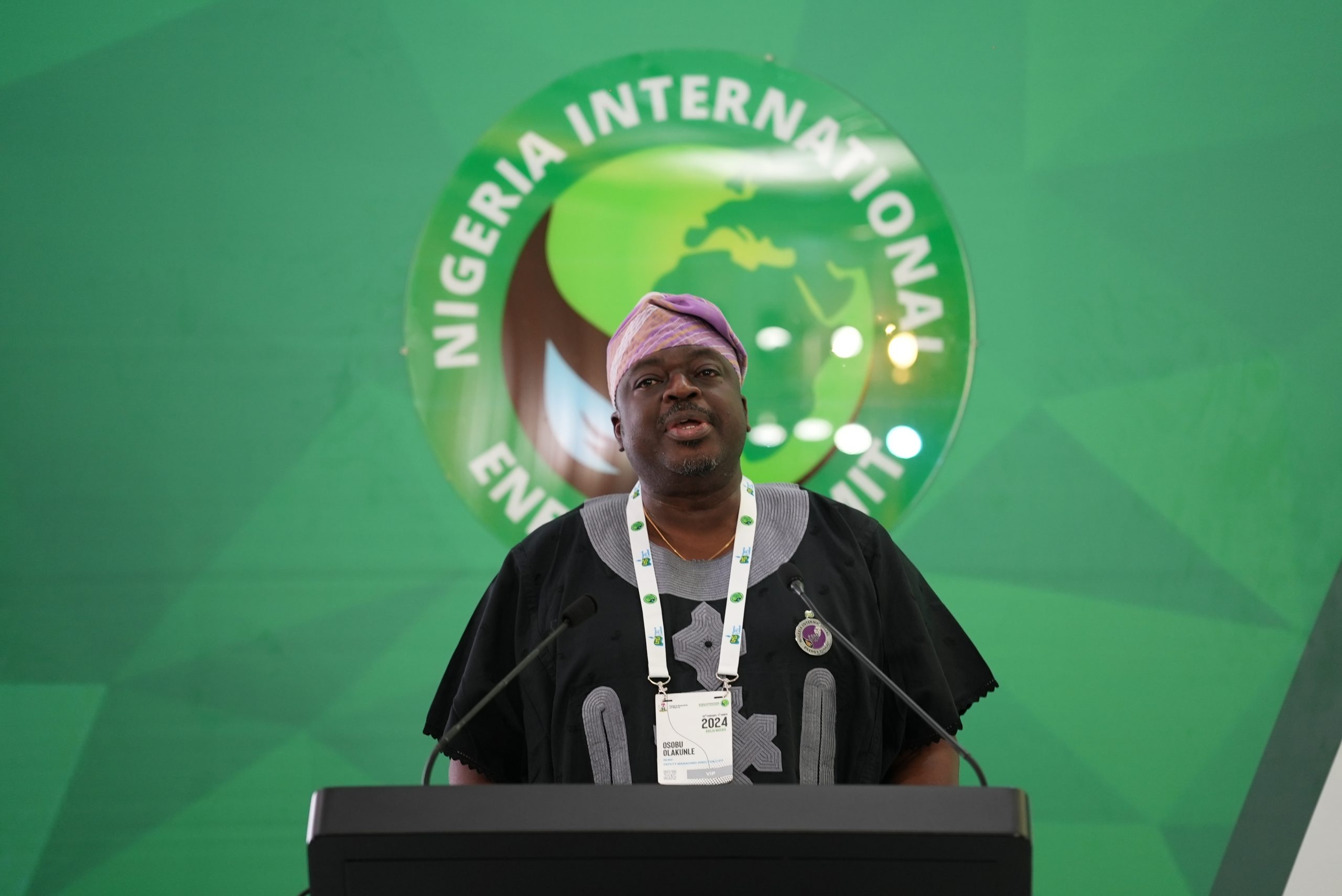
In an industry speech on Day four of the 7th Nigeria International Energy Summit (NIES) by NLNG’s Managing Director and Chief Executive Officer, Dr. Philip Mshelbila, represented by the Company’s Deputy Managing Director, Mr. Olakunle Osobu, stated the potential for growth in Africa relies heavily on energy to provide the necessary amenities in line with the UN Sustainable Development Goals.
He stated that gas remains a viable revenue generation strategy, experiencing a surge in demand due to its role as a clean energy option and transition fuel, both in Africa and globally. He added that global demand is projected to increase to 5.1 trillion cubic meters by 2035.
He noted that Africa would require substantial investments to increase gas production and ensure the supply of significant volumes of natural gas to the world market in the future. He emphasised that Africa, especially Nigeria, must take essential steps to attract the necessary investment for enhancing the gas industry from exploration to production.
“Despite the gas potential in Nigeria, our country struggles with inadequate infrastructure to efficiently harness and distribute our gas resources. This infrastructure gap has not only hampered domestic energy growth and power generation but also the country’s ability to meet its export commitments, posing a tremendous risk to our viability as a reliable and competitive gas supplier,” he said, adding that a dearth of investors significantly impacts the availability of capital necessary to enhance gas infrastructure within the country.
He remarked that the Federal Government of Nigeria in August 2022 estimated a yearly investment of $20 billion is required to bridge the gas infrastructure gap in Nigeria in the next 10 years.
Dr. Mshelbila expressed optimism, calling for deliberate efforts in moving the needle on the Decade of Gas programme by the Federal Government. He stated that the Petroleum Industry Act (PIA) has the potential to reshape both the industry landscape and address deficiencies in the country’s gas infrastructure.
“Facilitating an enabling environment that is light on regulatory volatility and heavy on efficiency of process and operations will encourage foreign investment, which is the means to bridging the infrastructure gap in a competitive and sustainable manner,” he concluded.
Dr. Mshelbila spoke during a special session tagged “The Gas Day” at the summit.
Cover Photo Caption:
Olakunle Osobu, NLNG’s Deputy MD







Leave a comment